
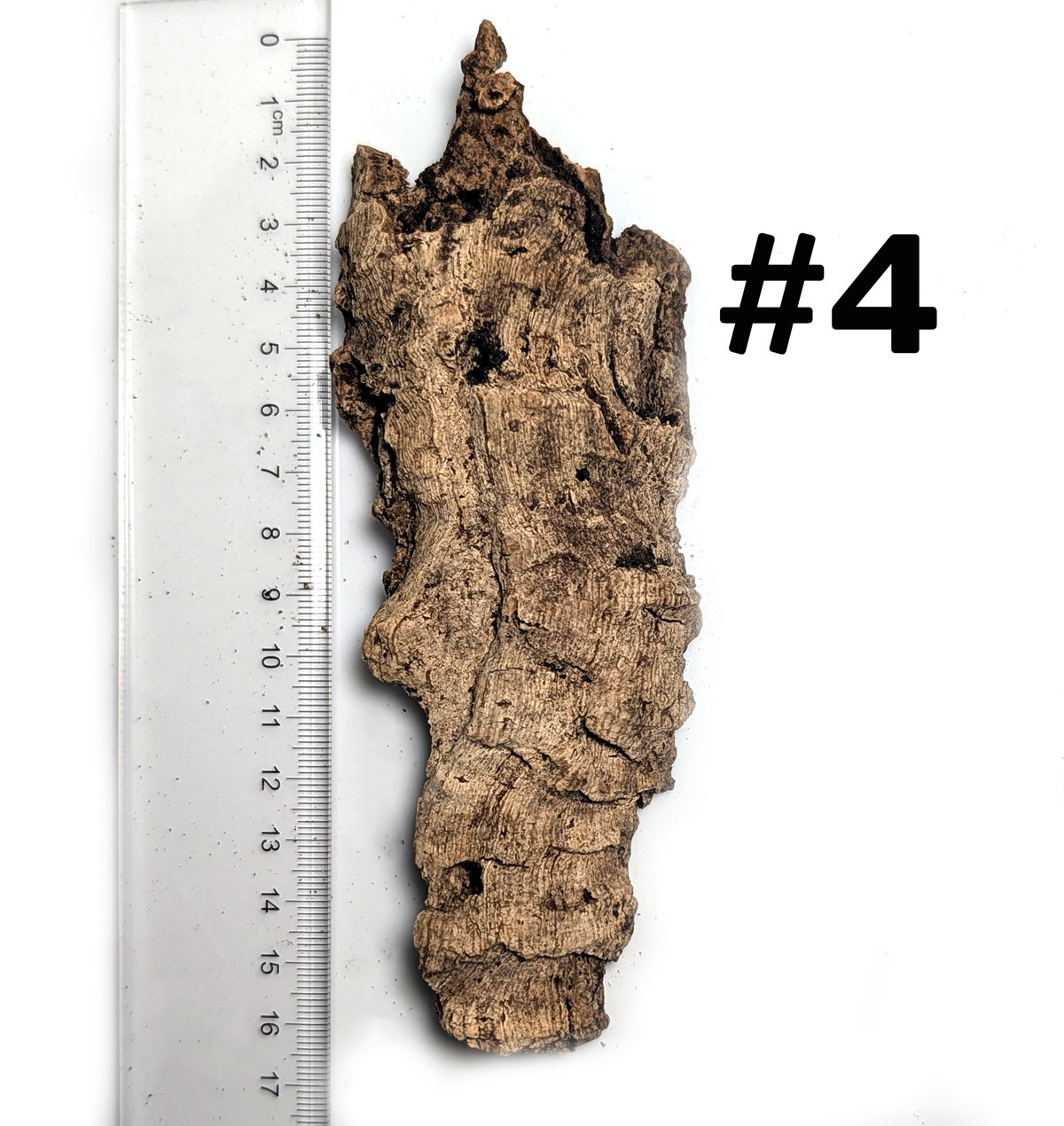
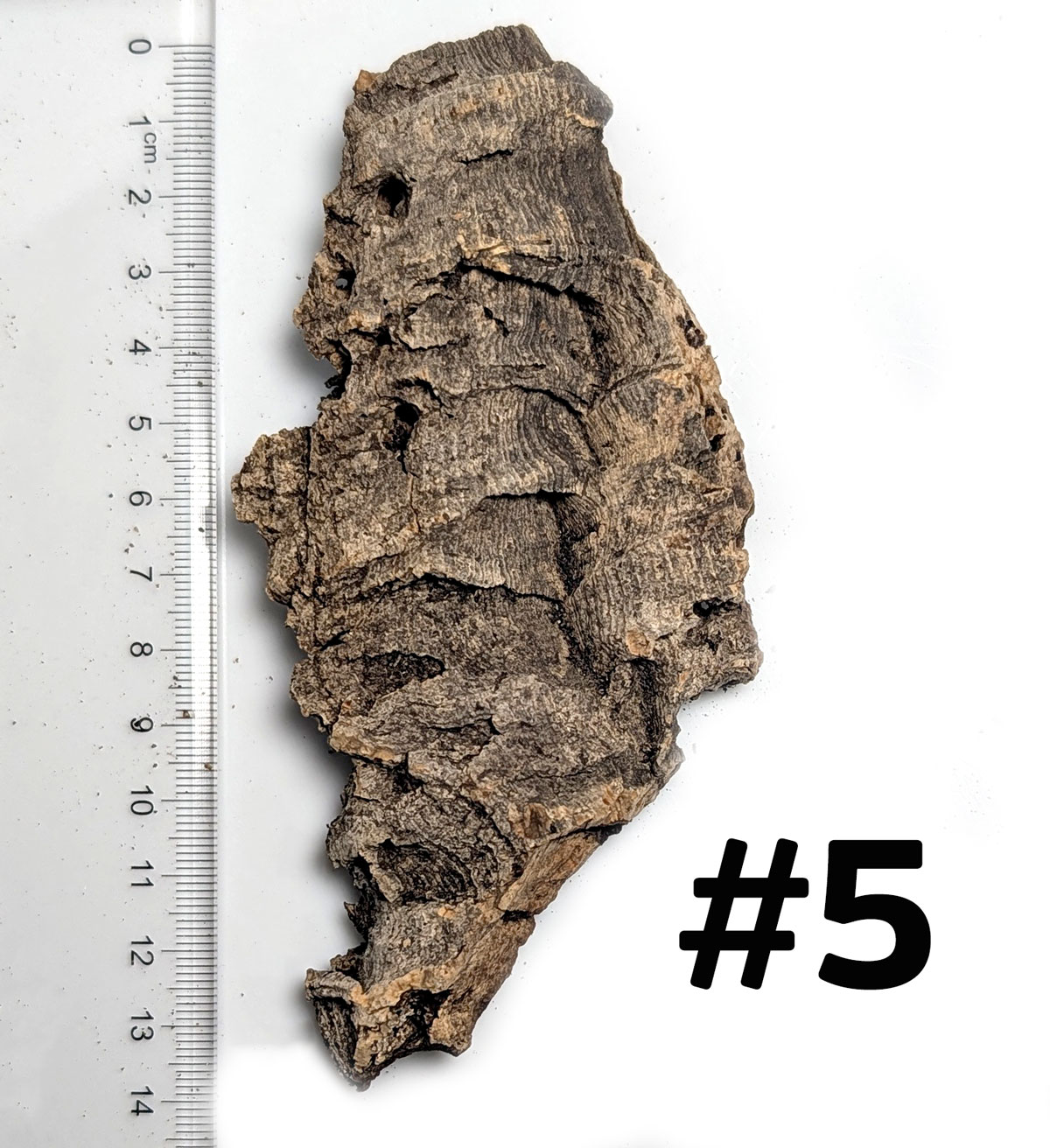
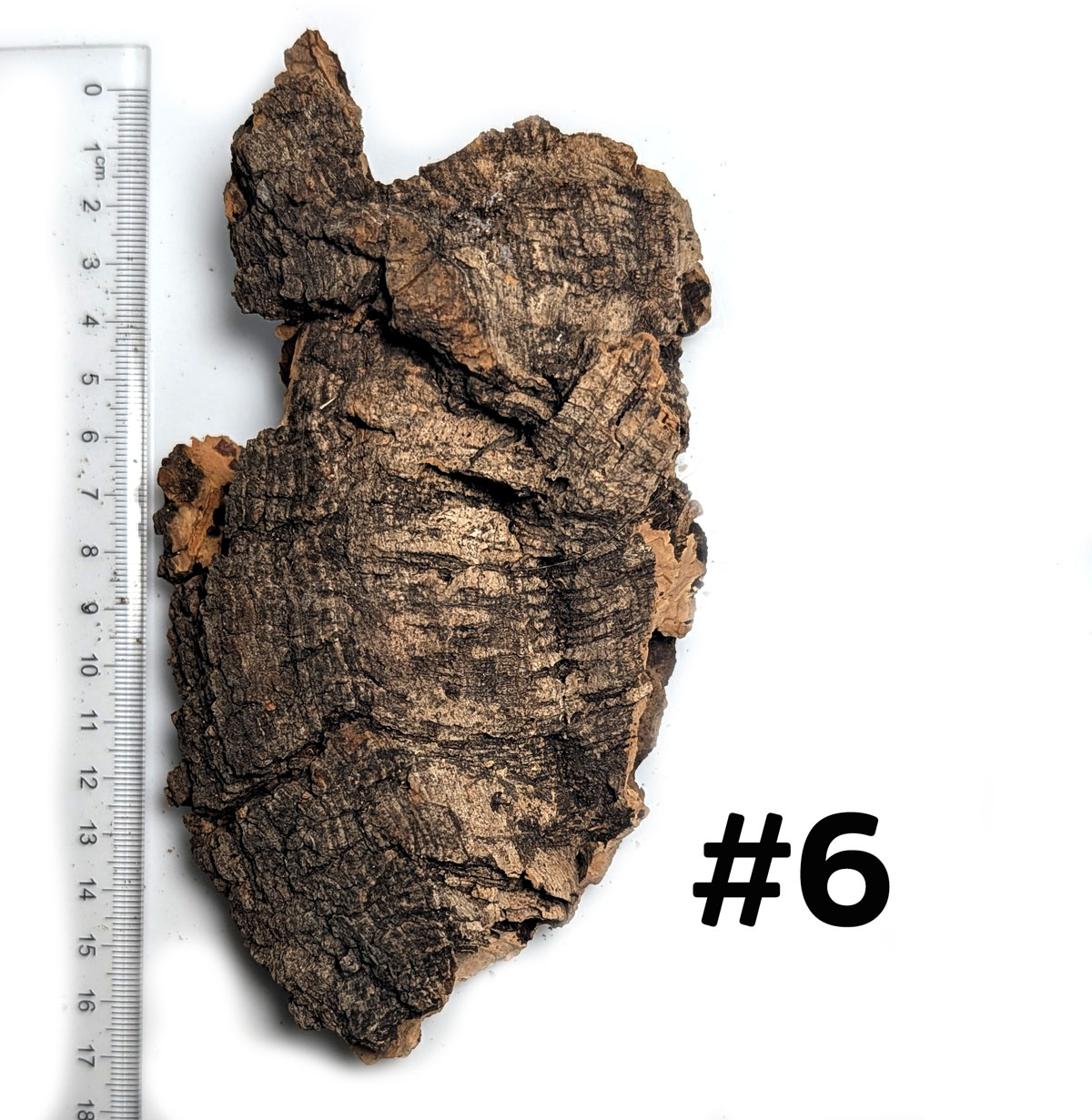
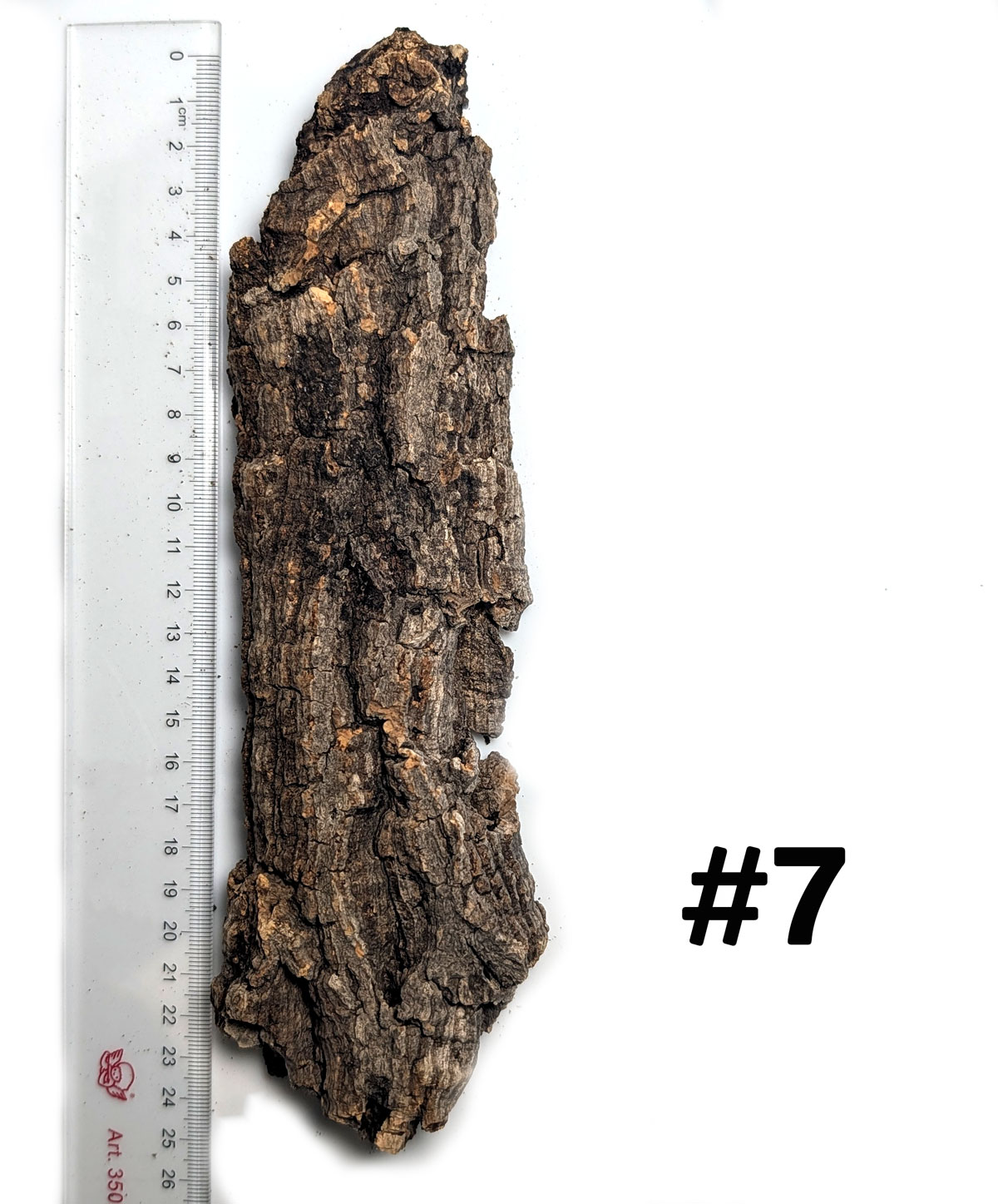
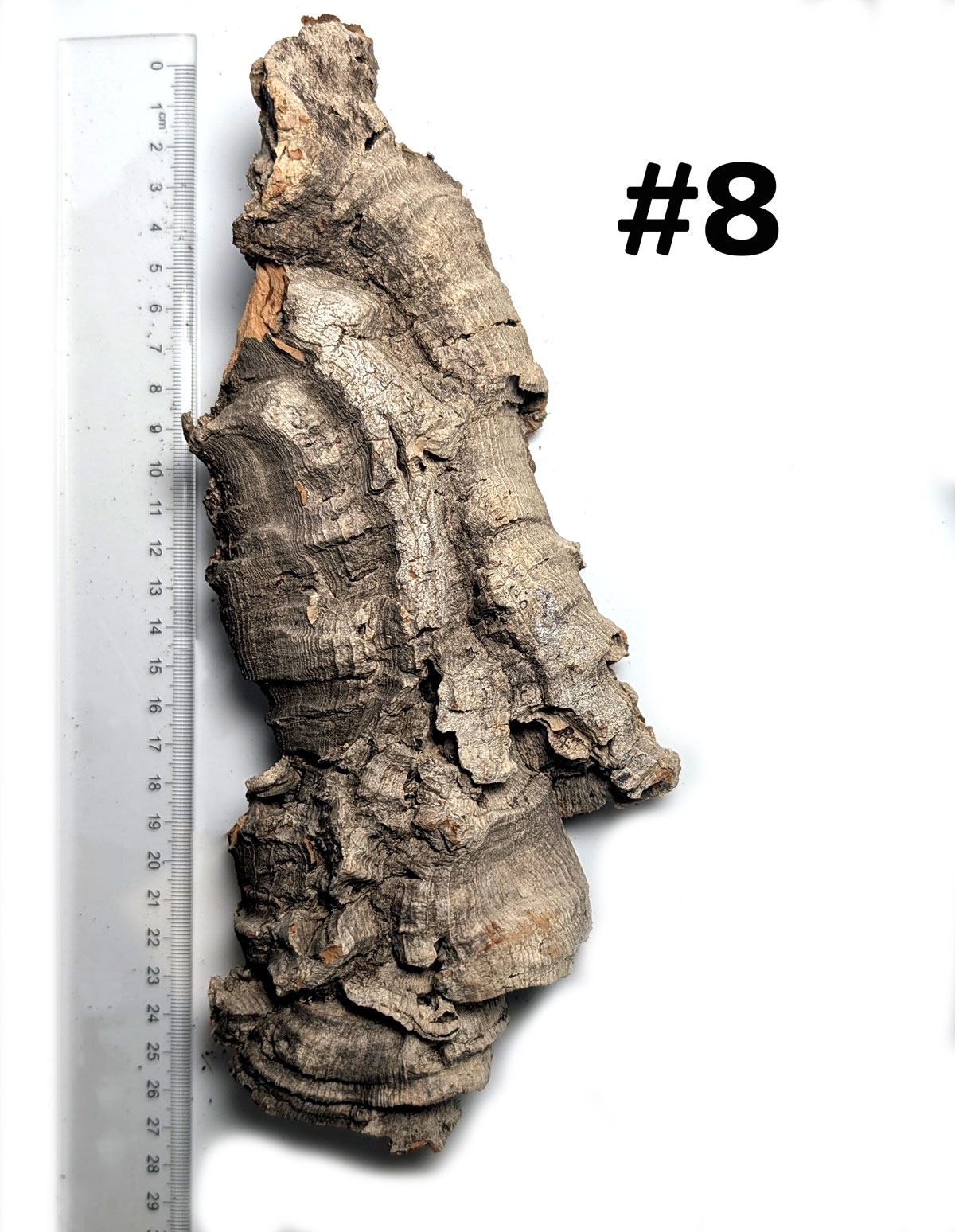
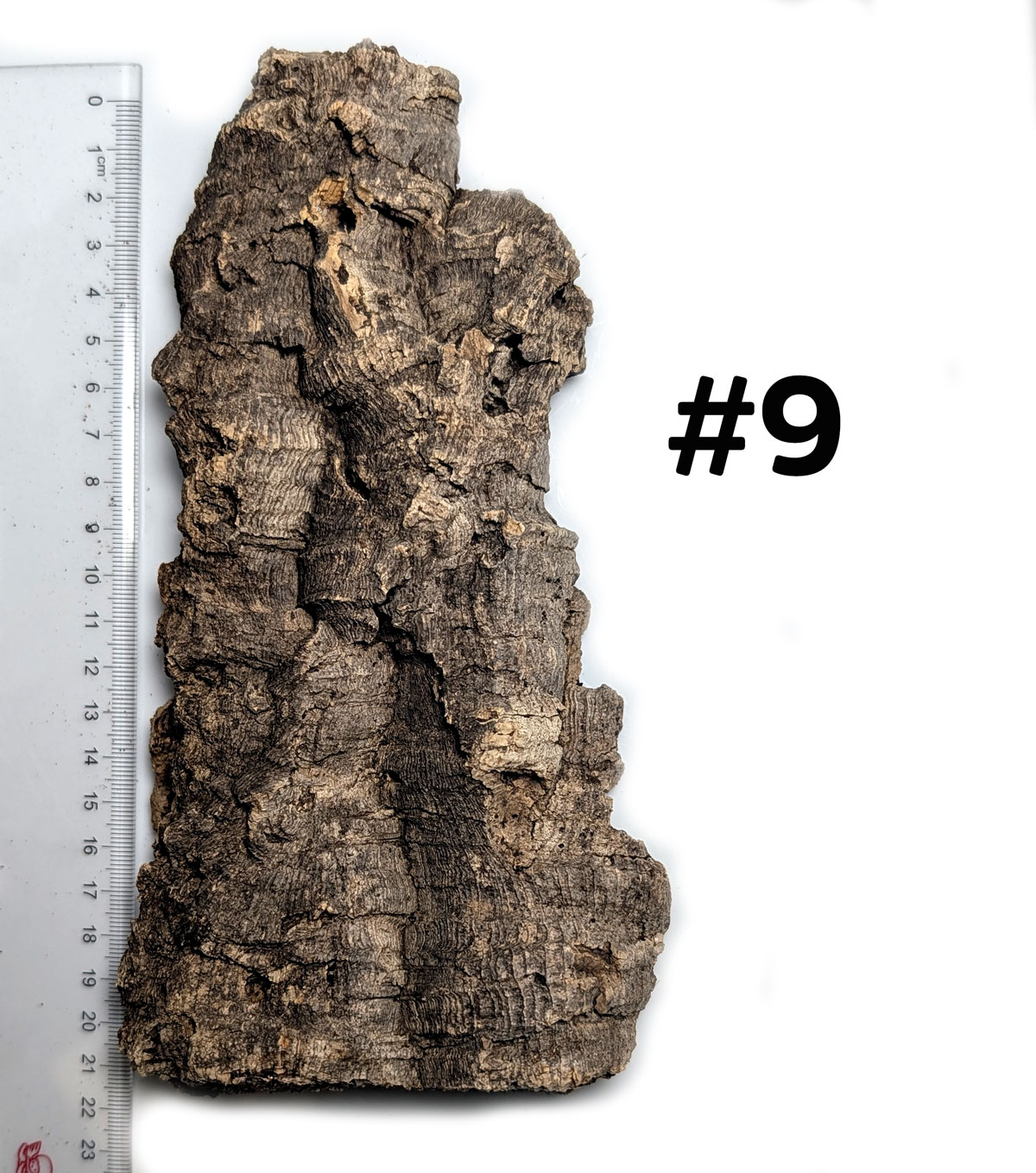
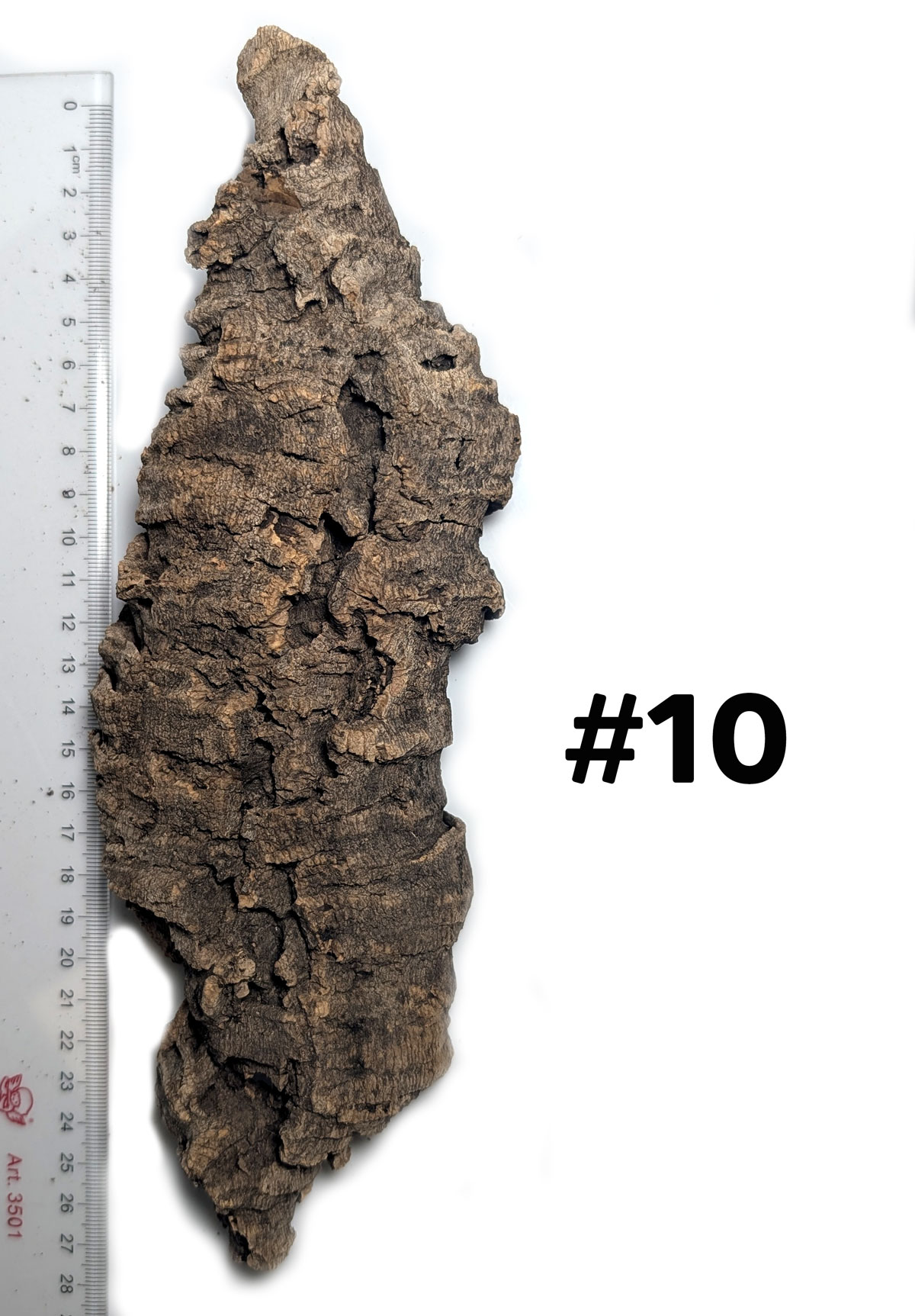
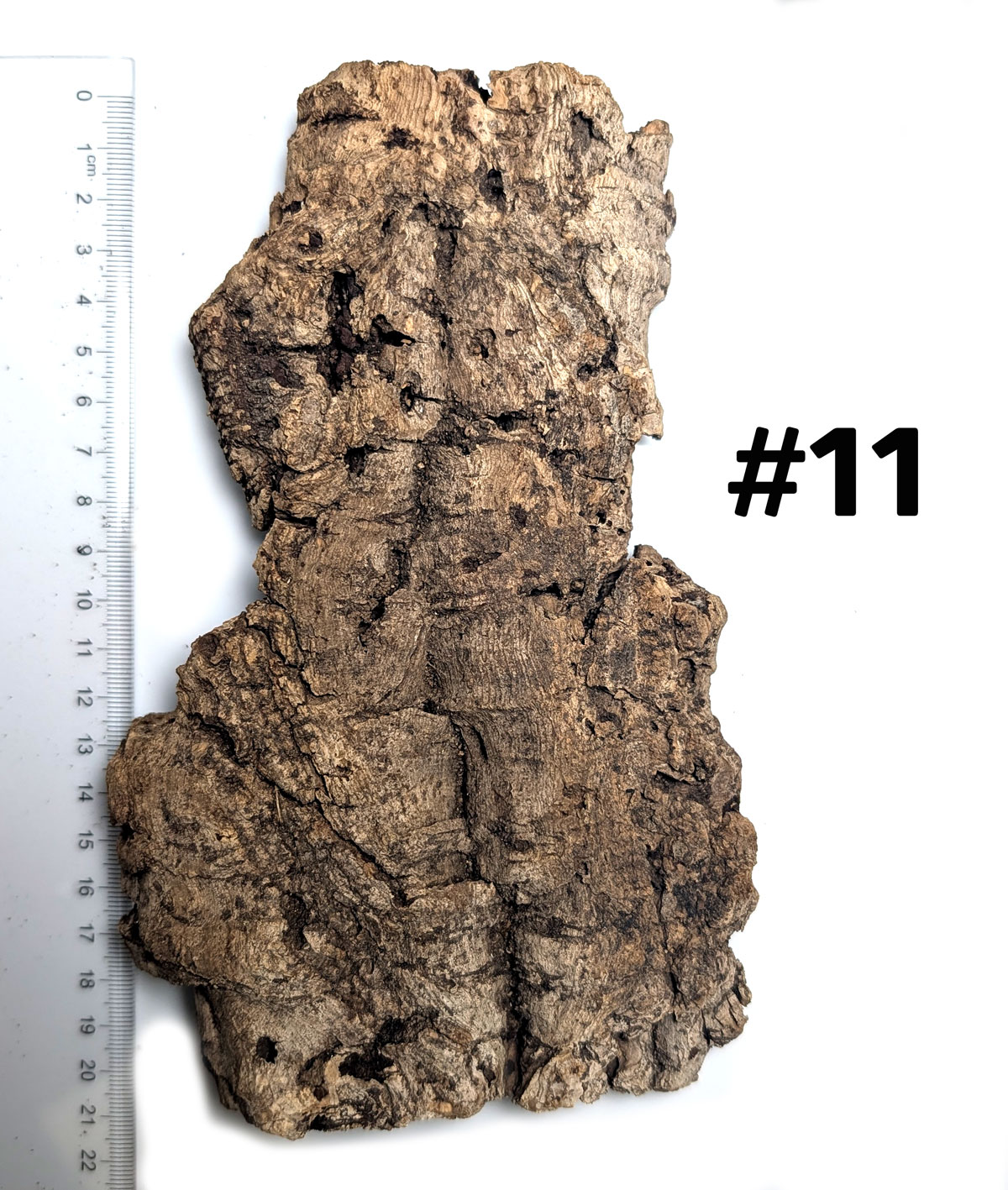
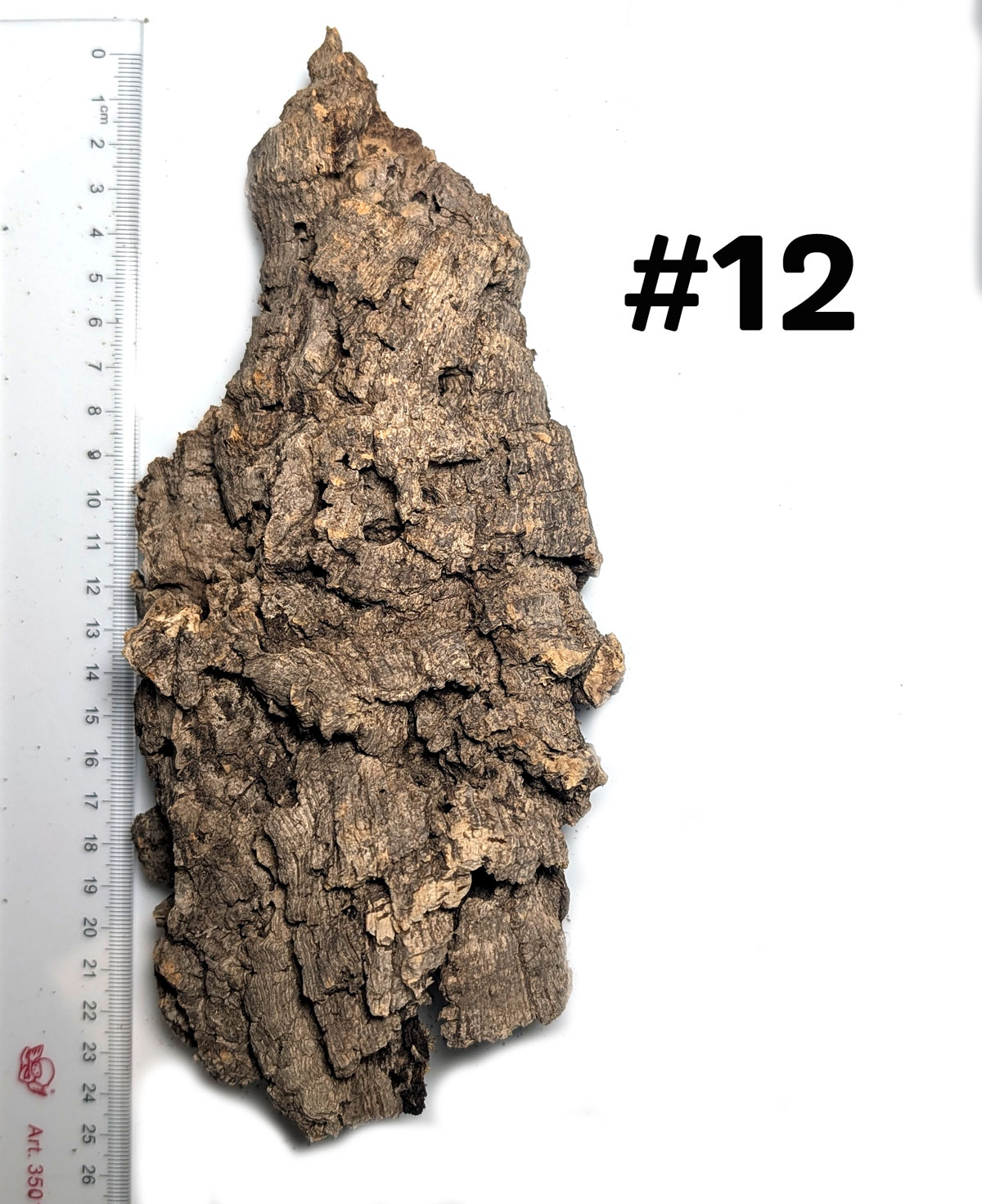
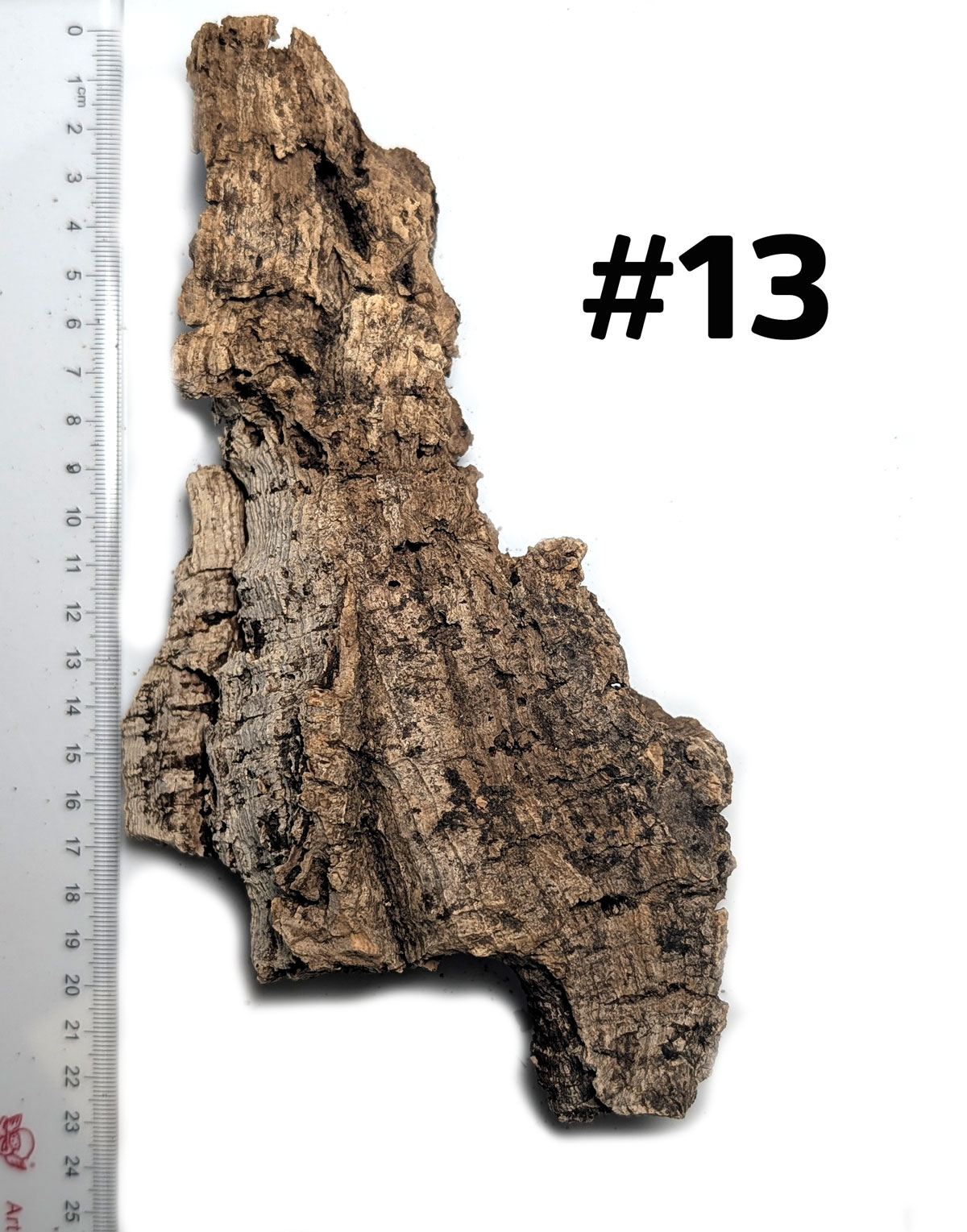
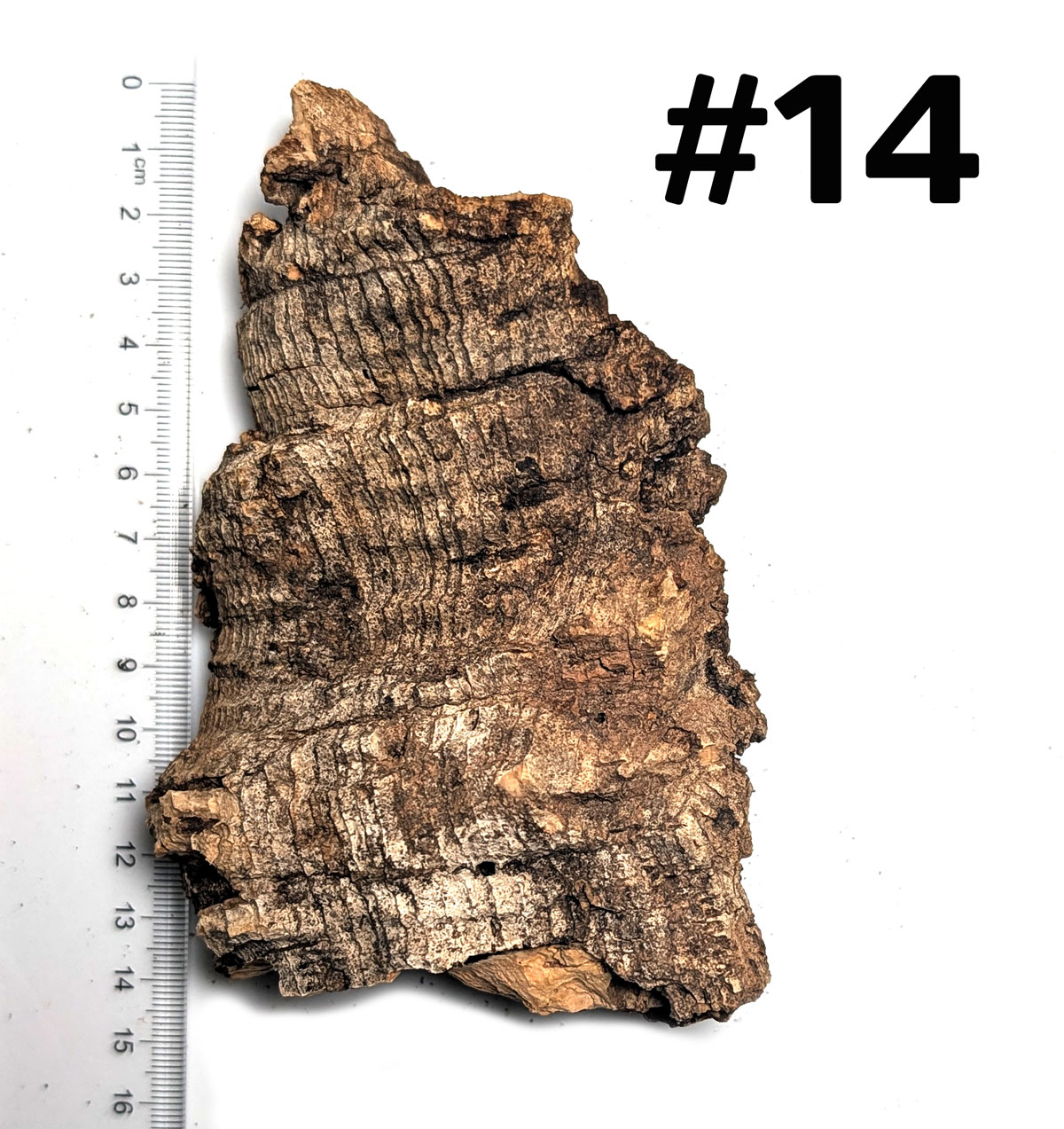
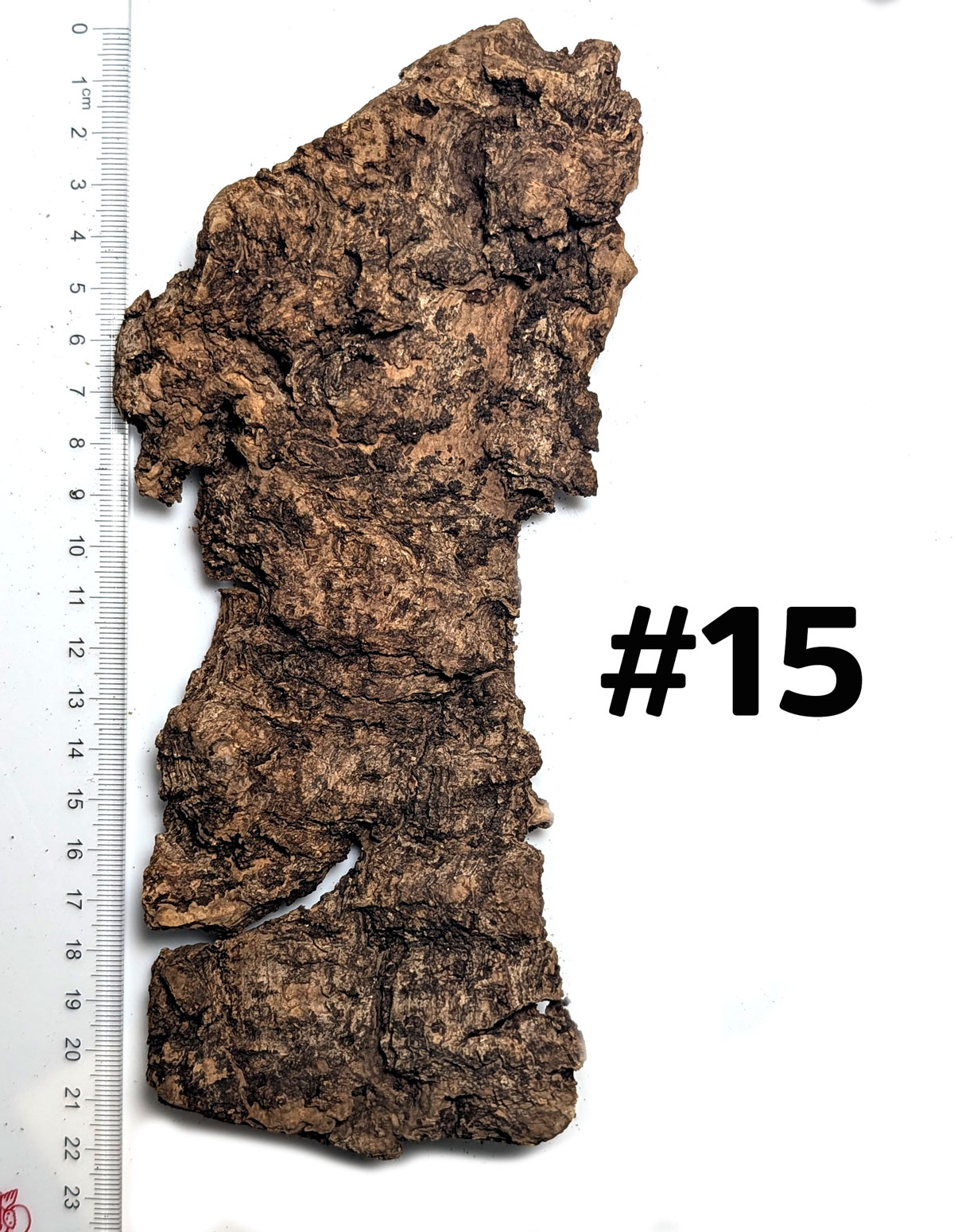
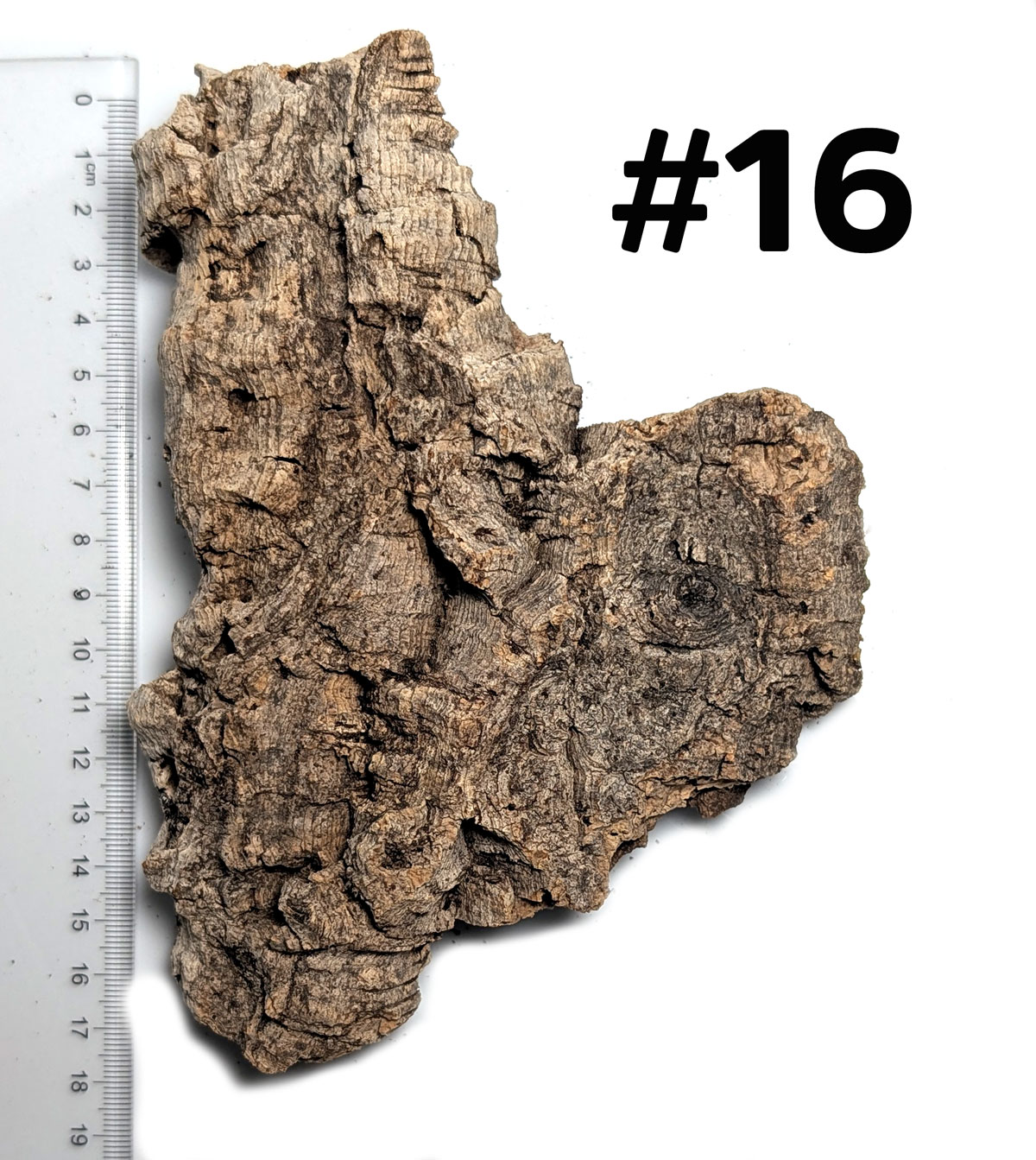
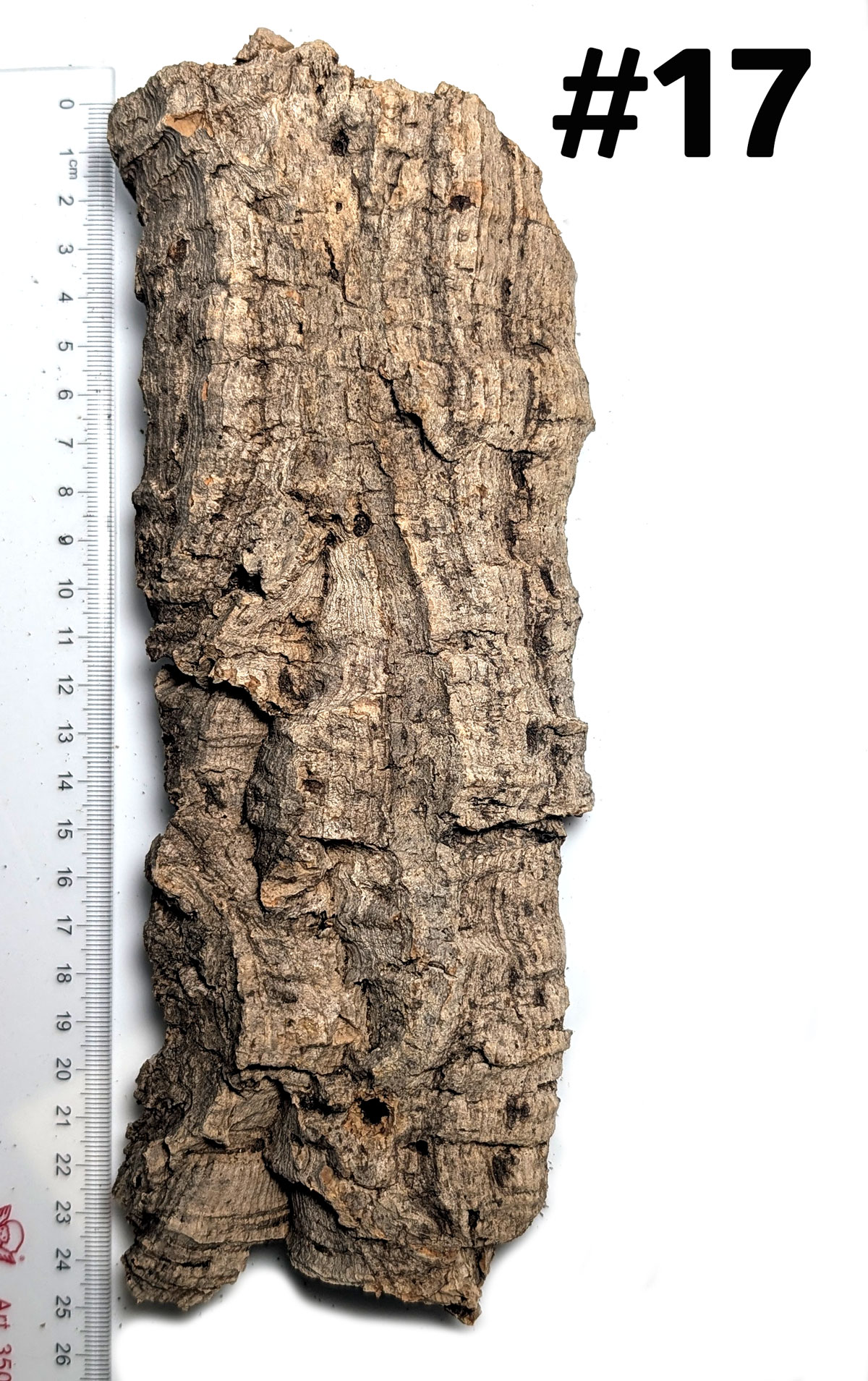
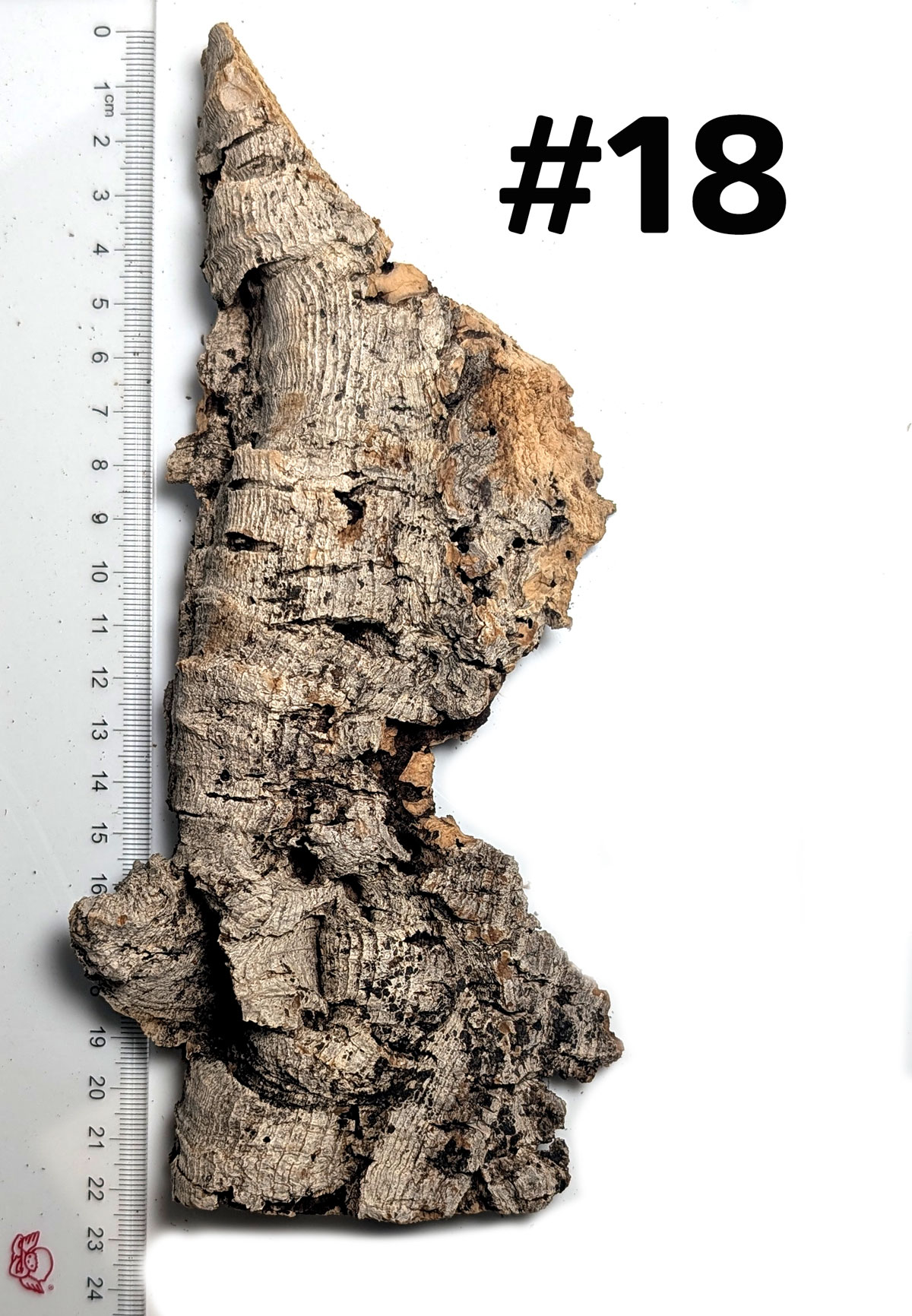
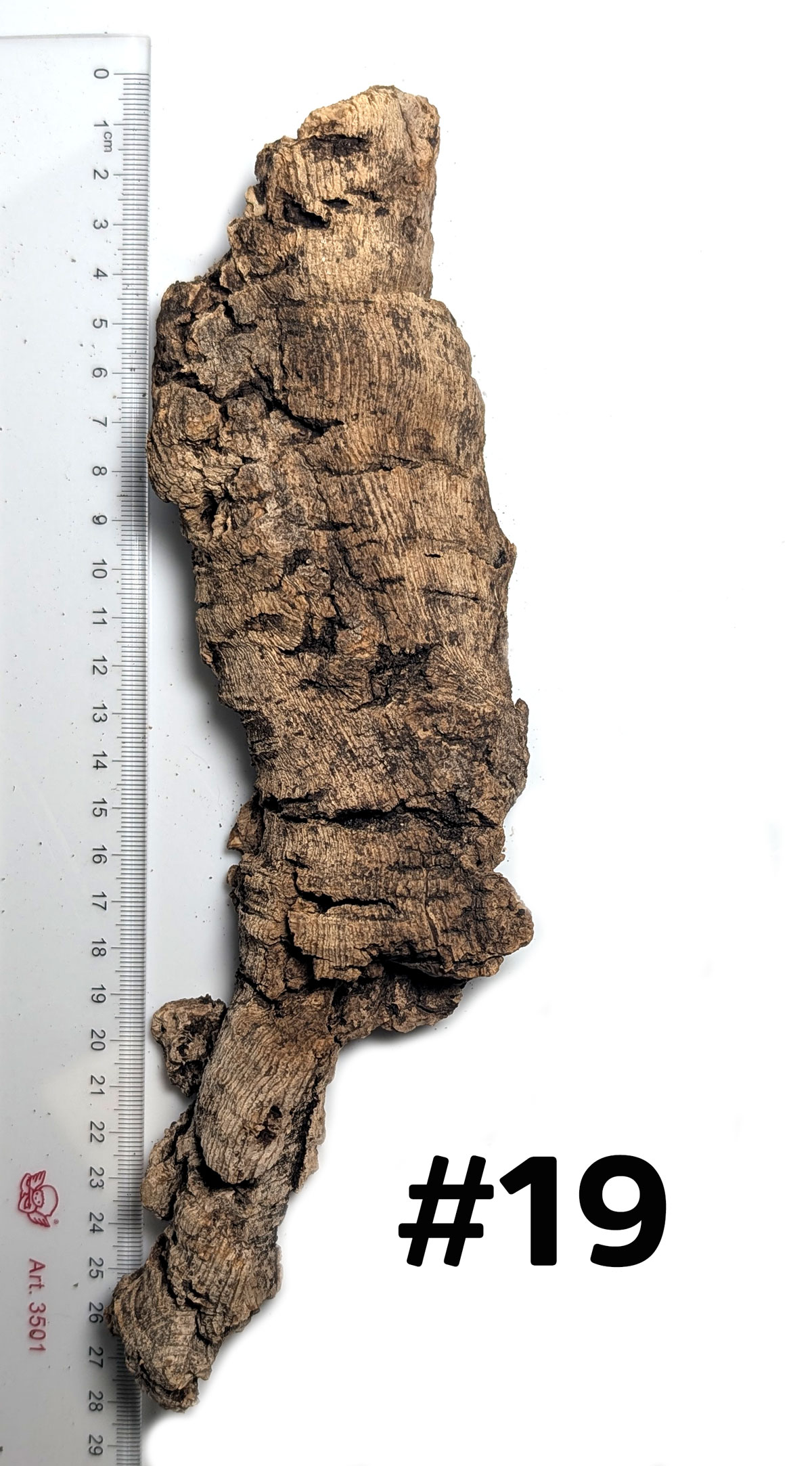
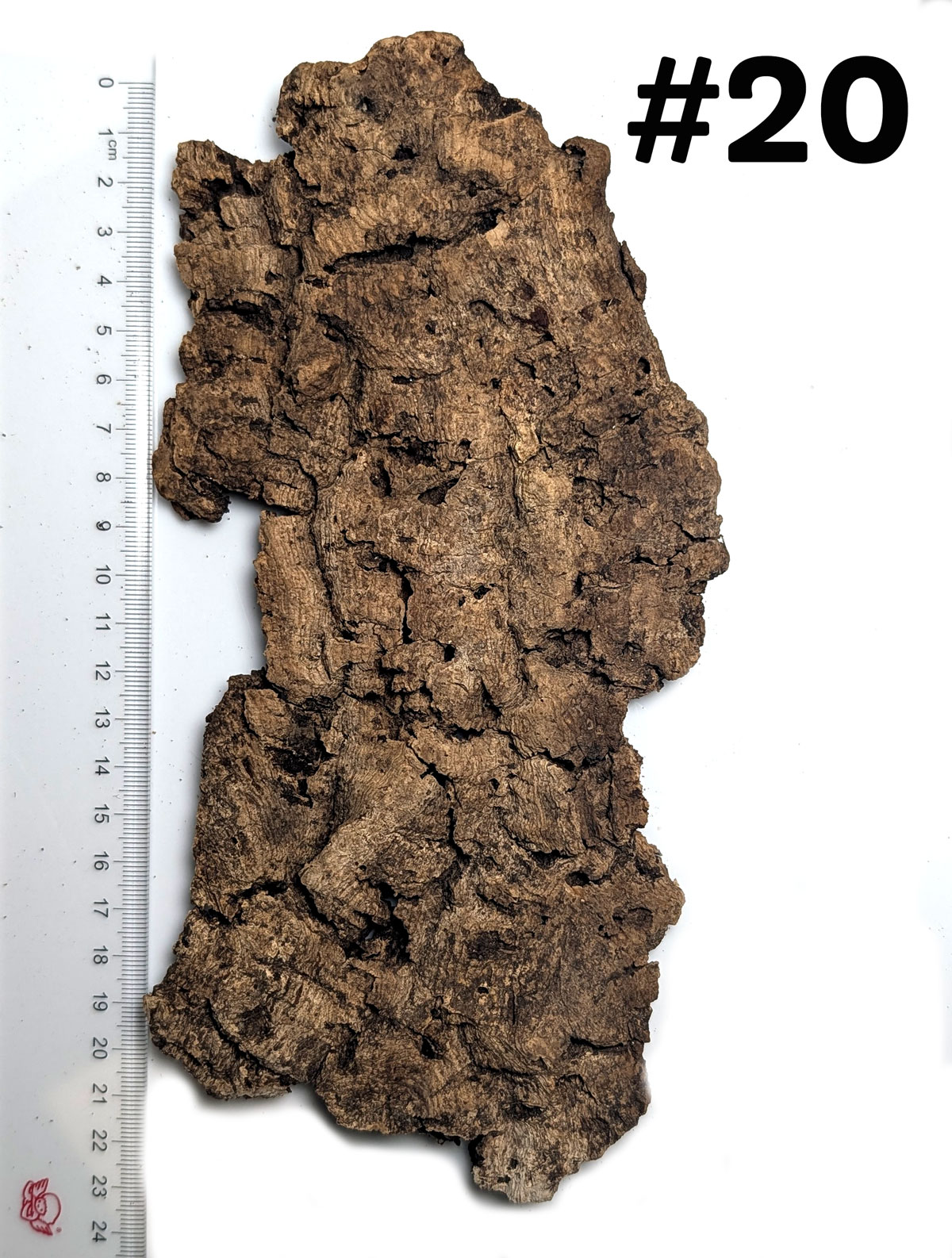
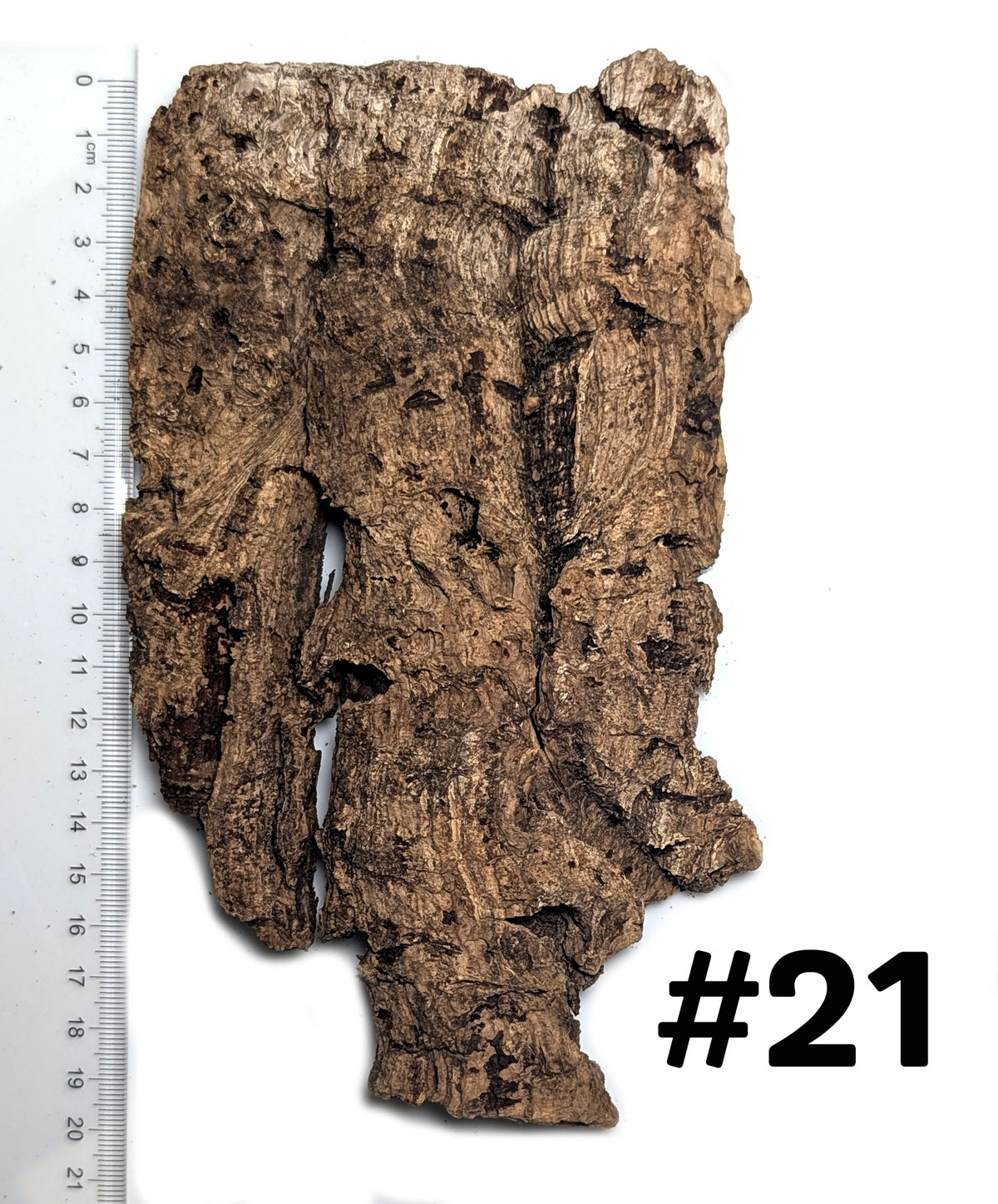
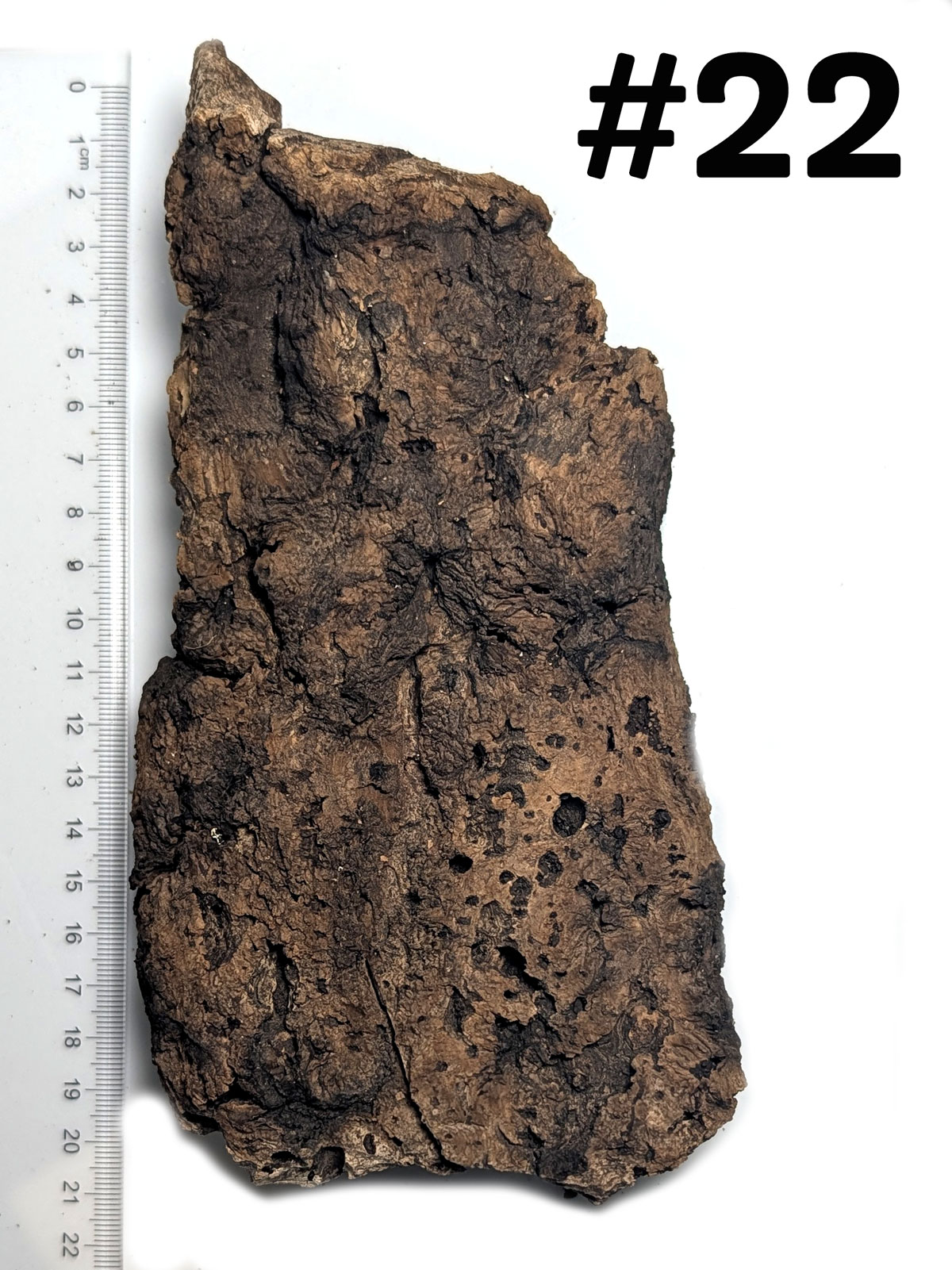
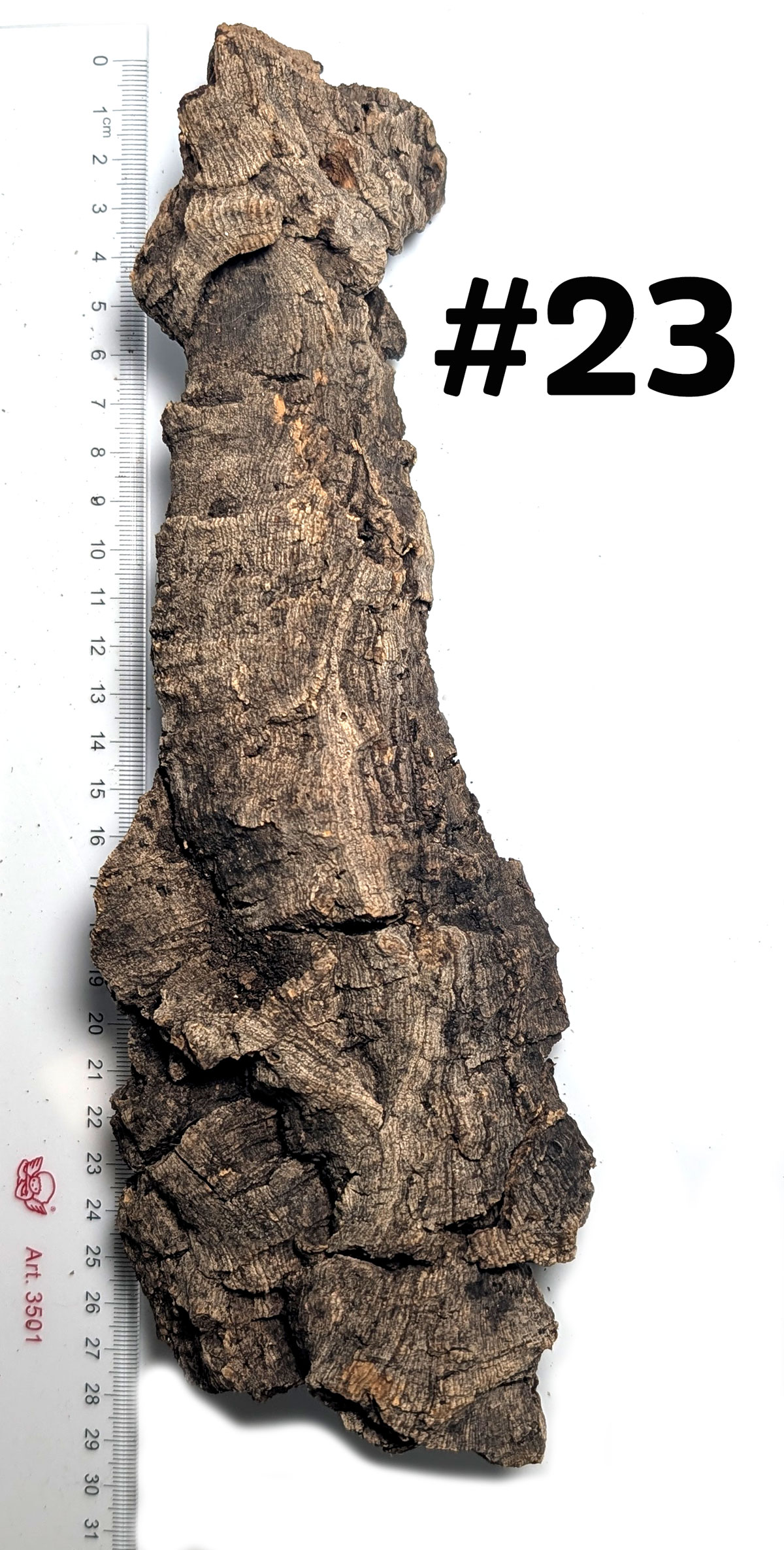
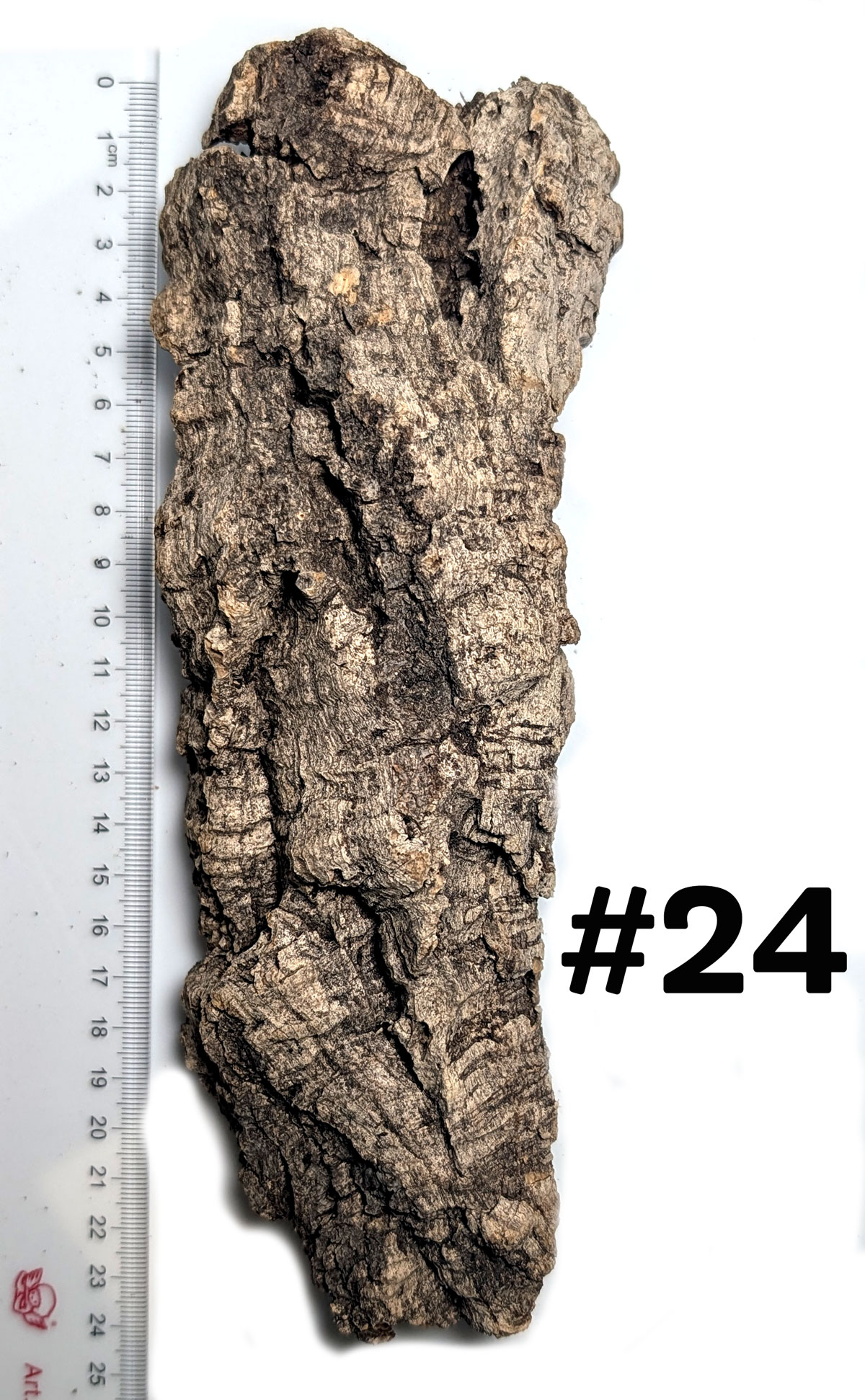
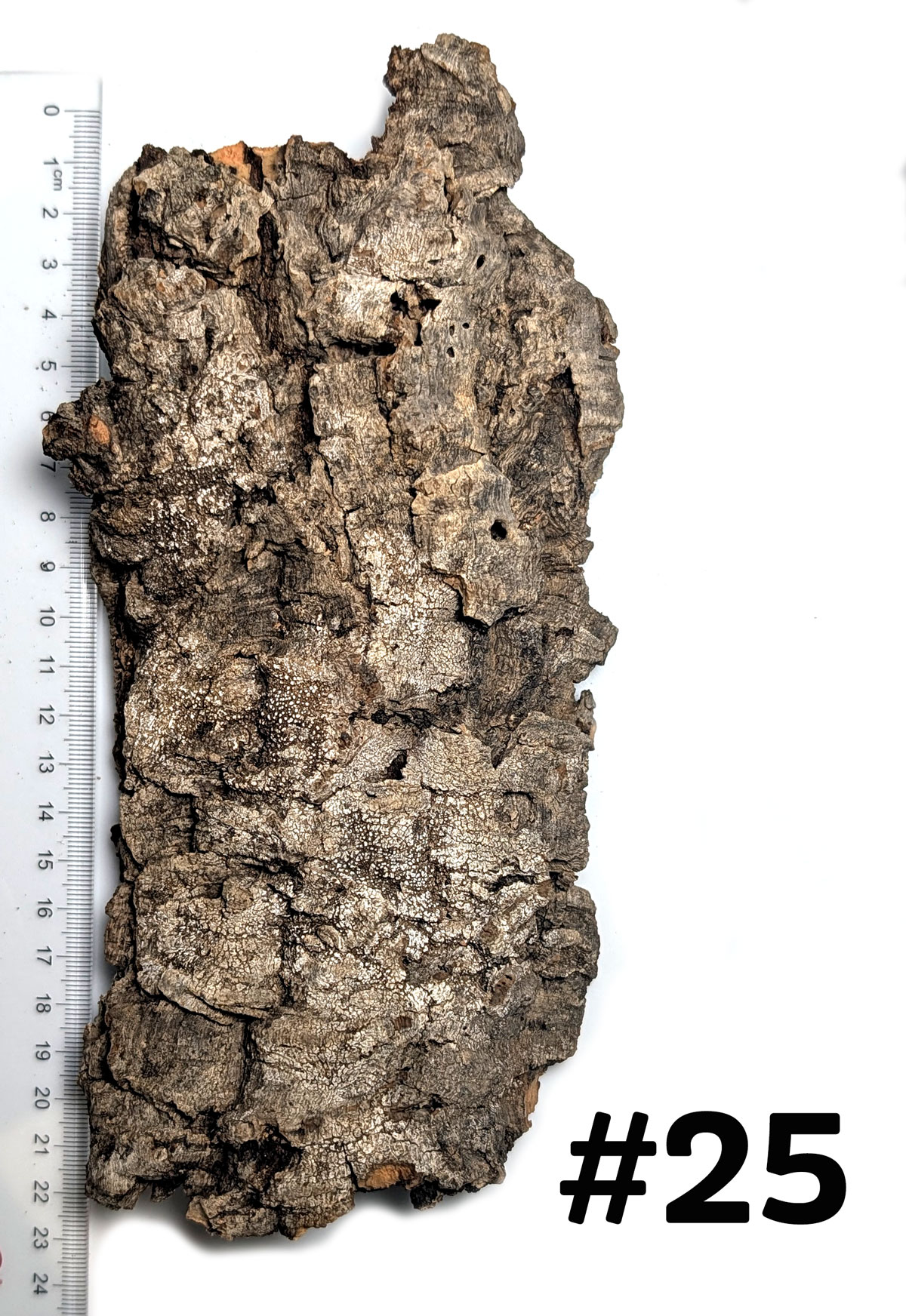
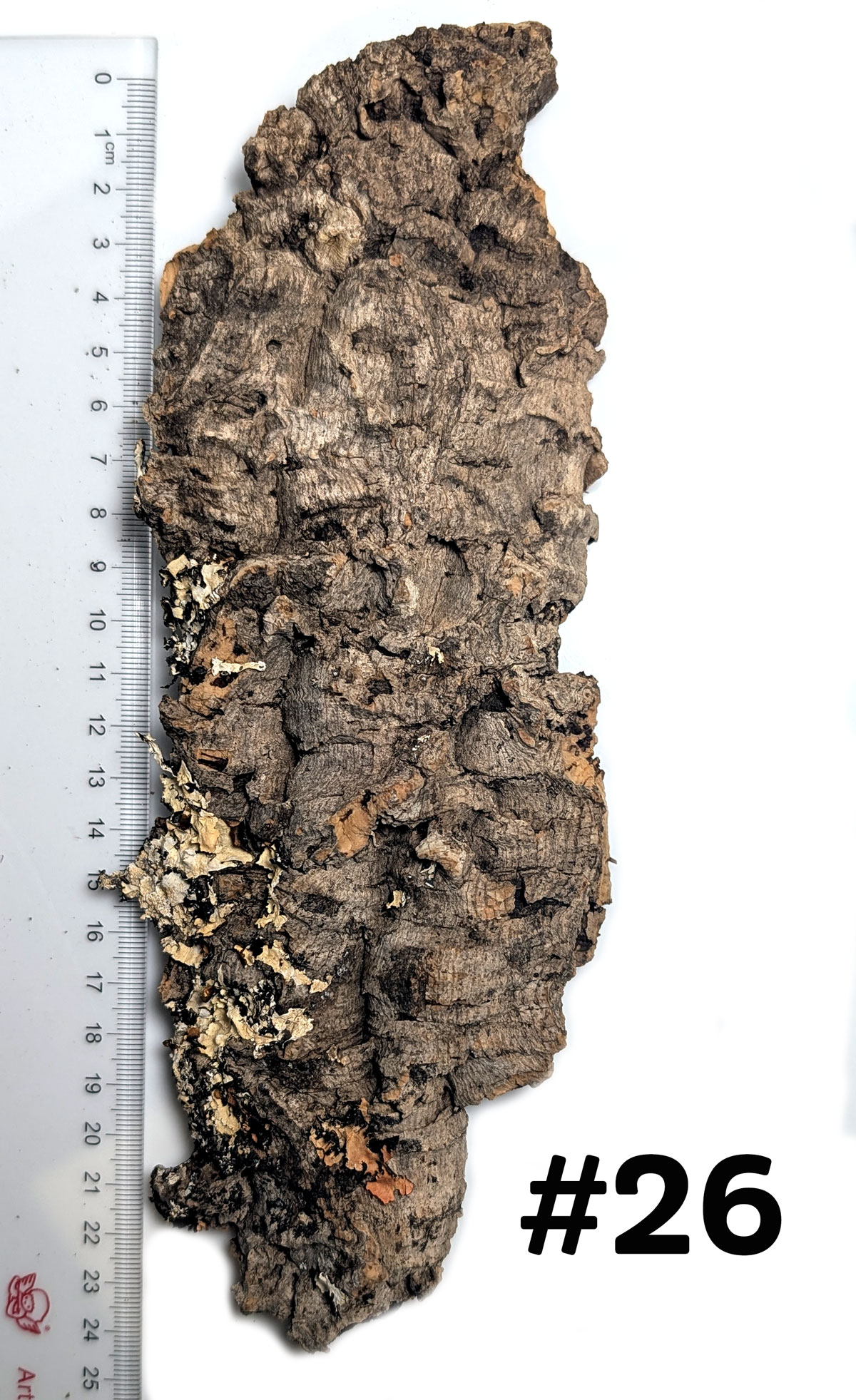
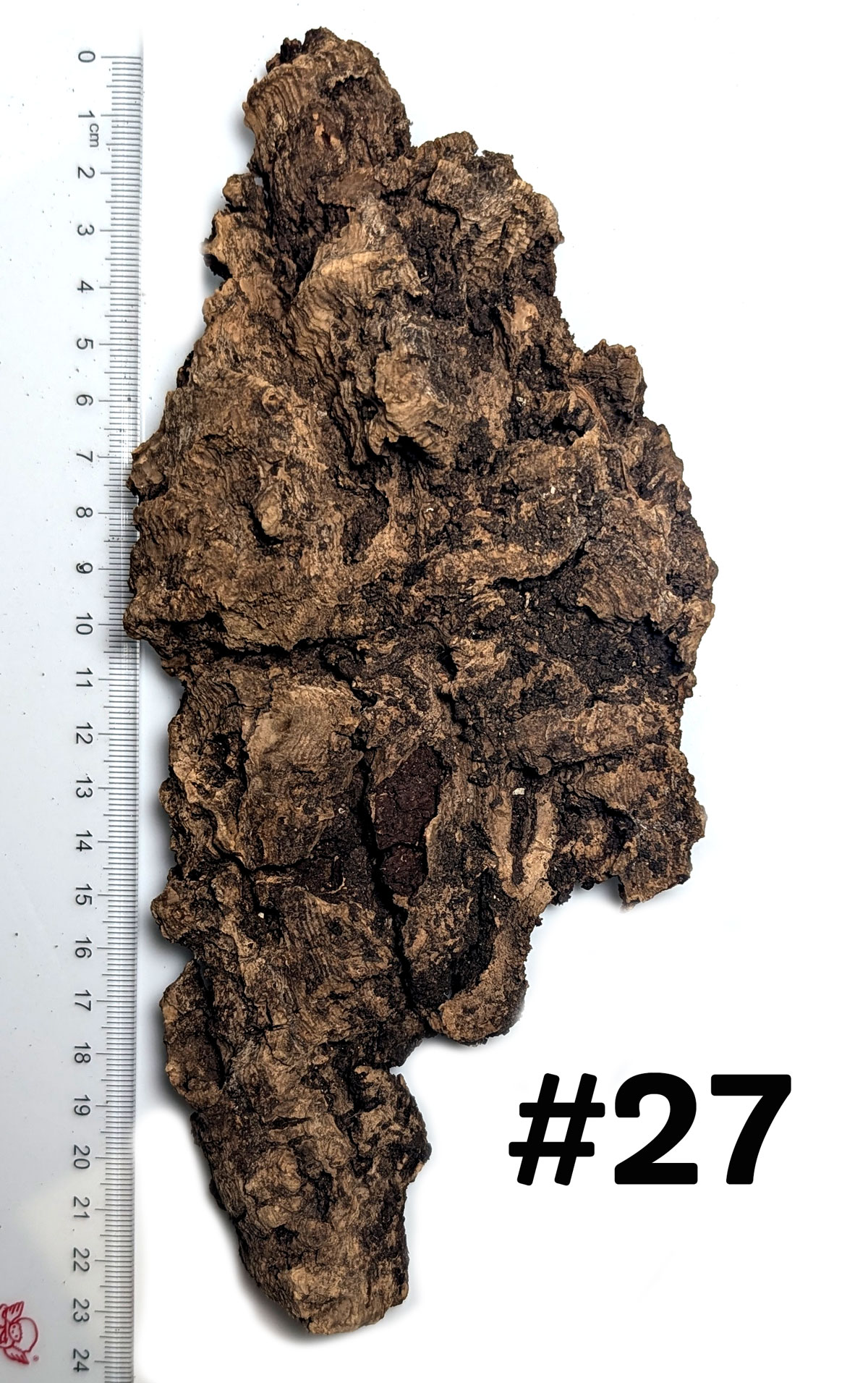
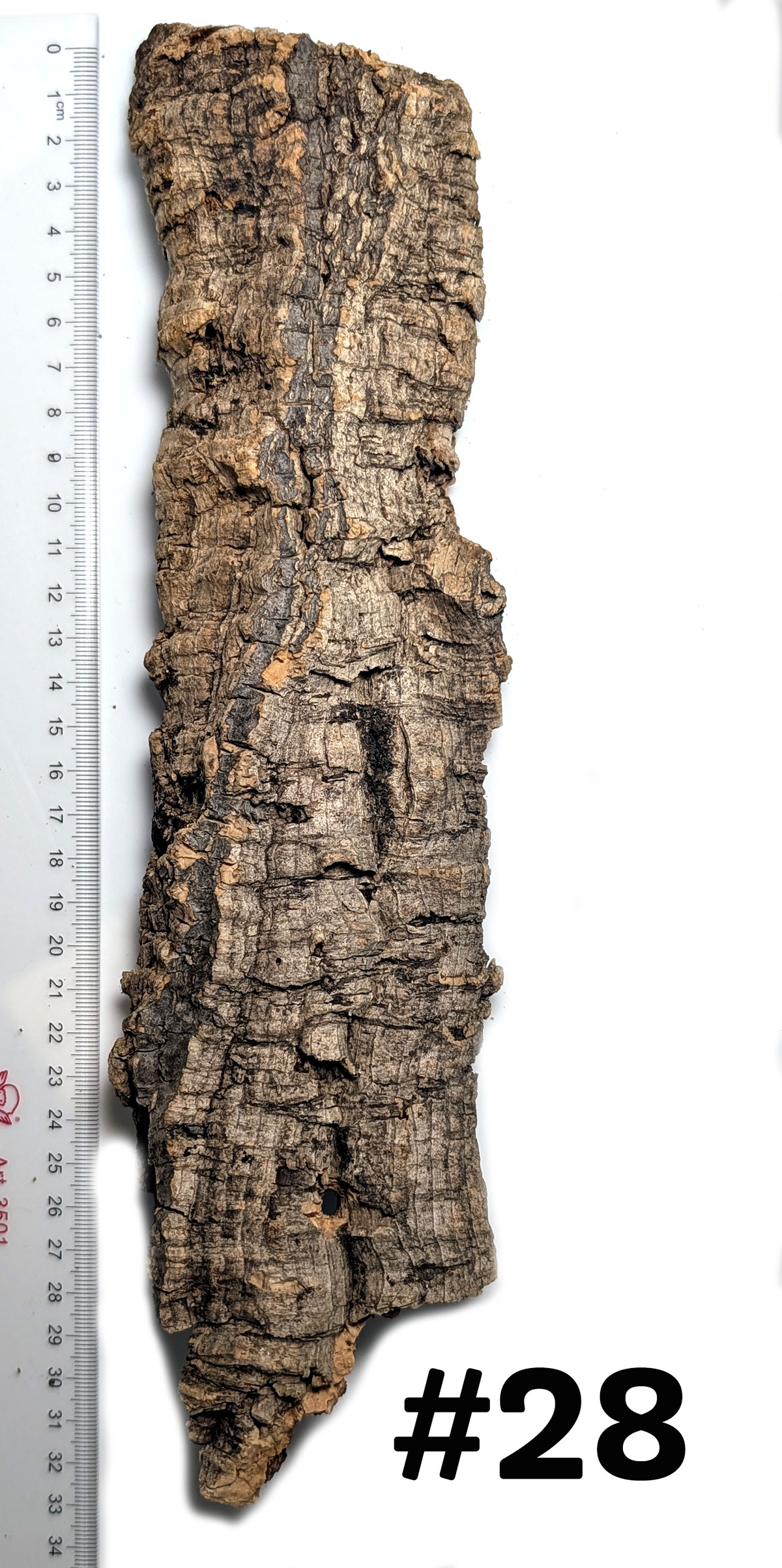
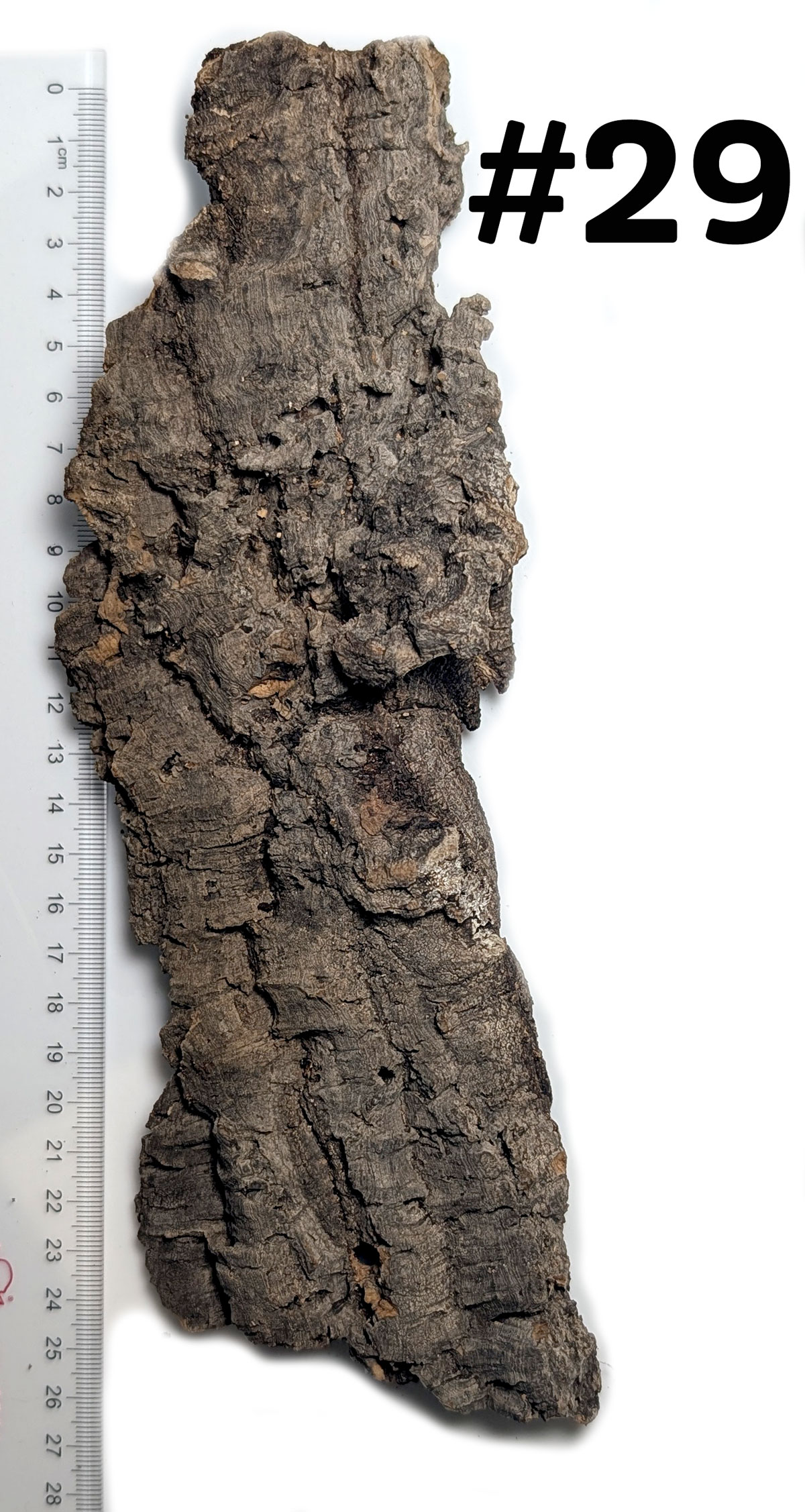
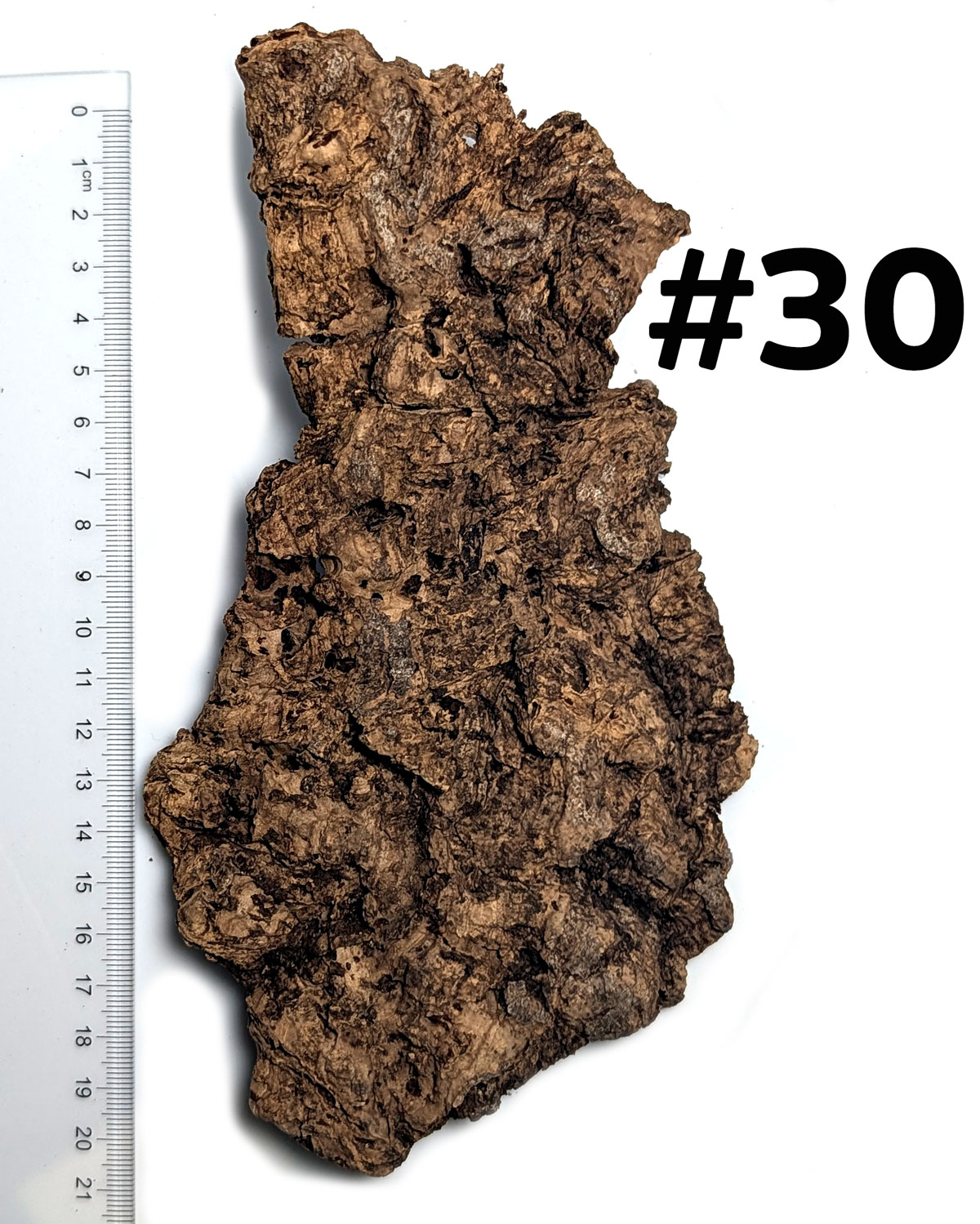
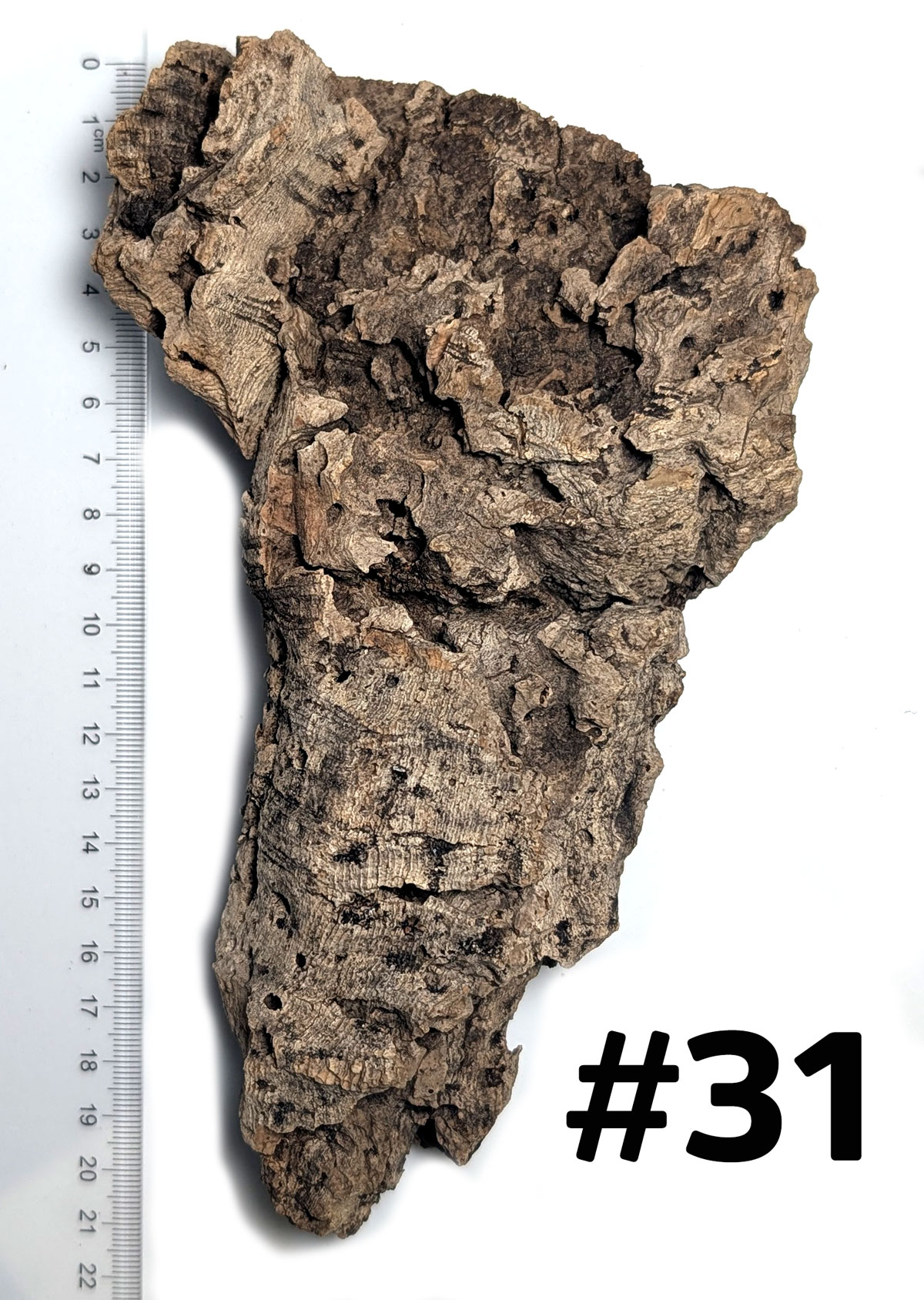
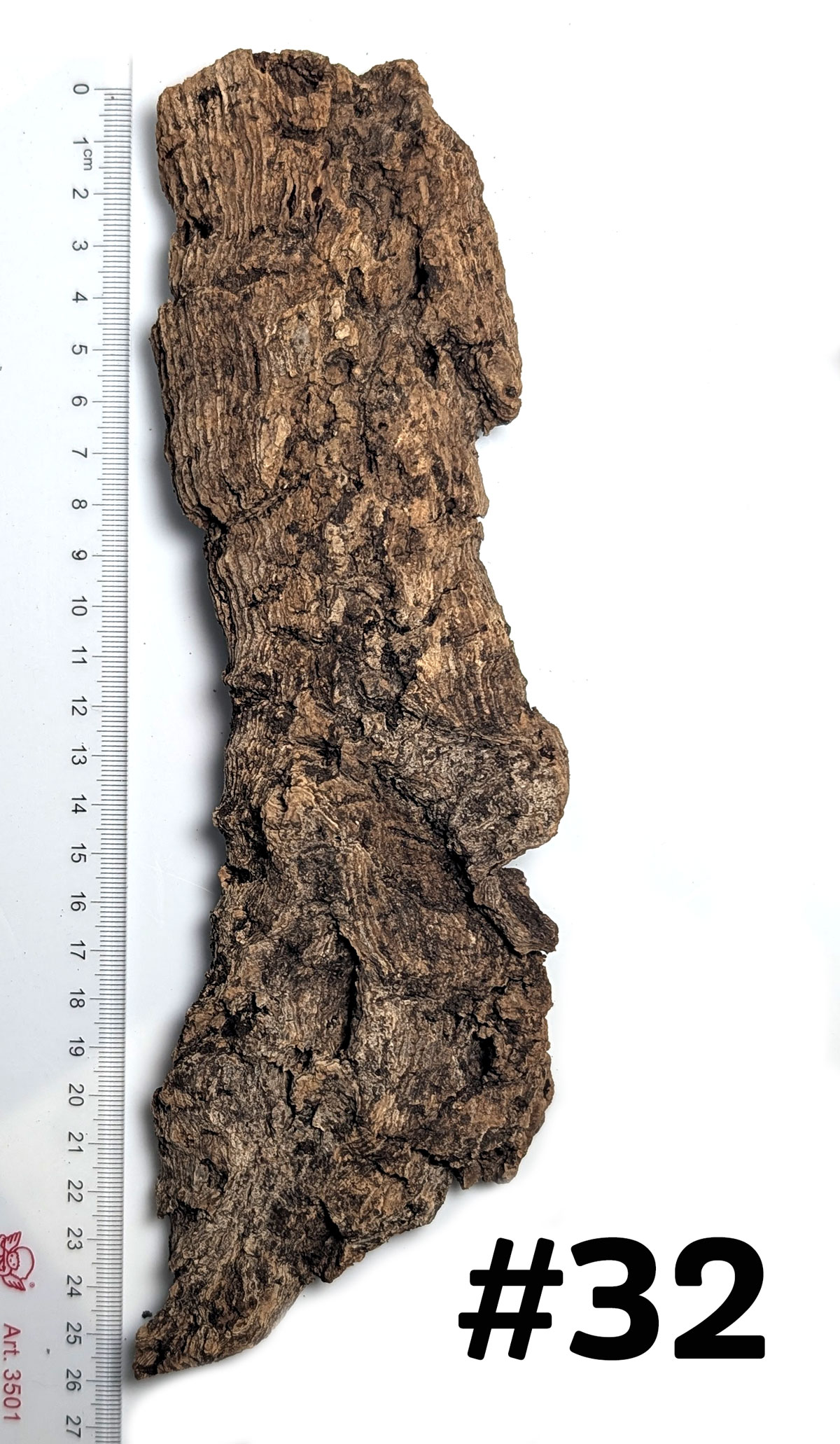
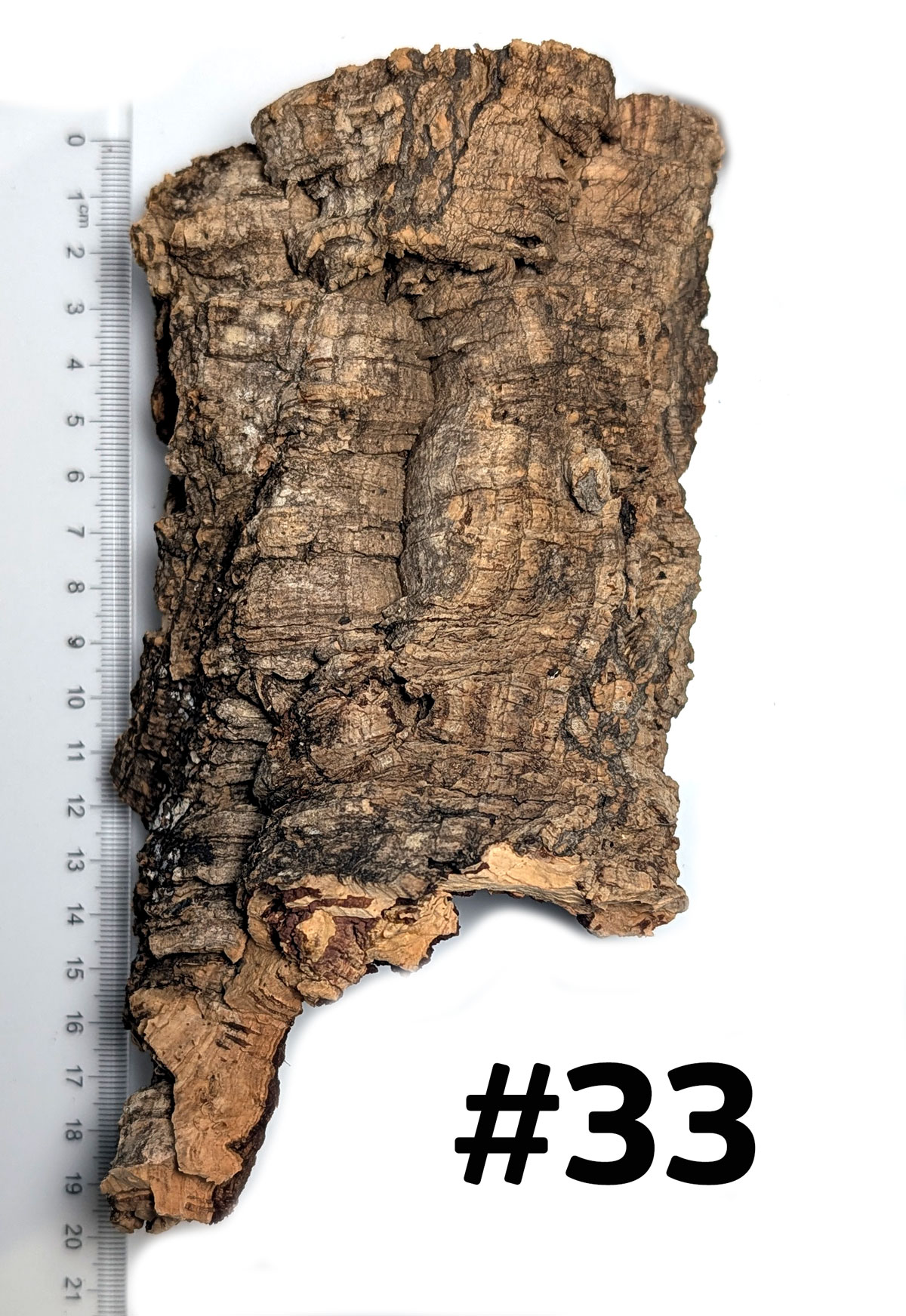
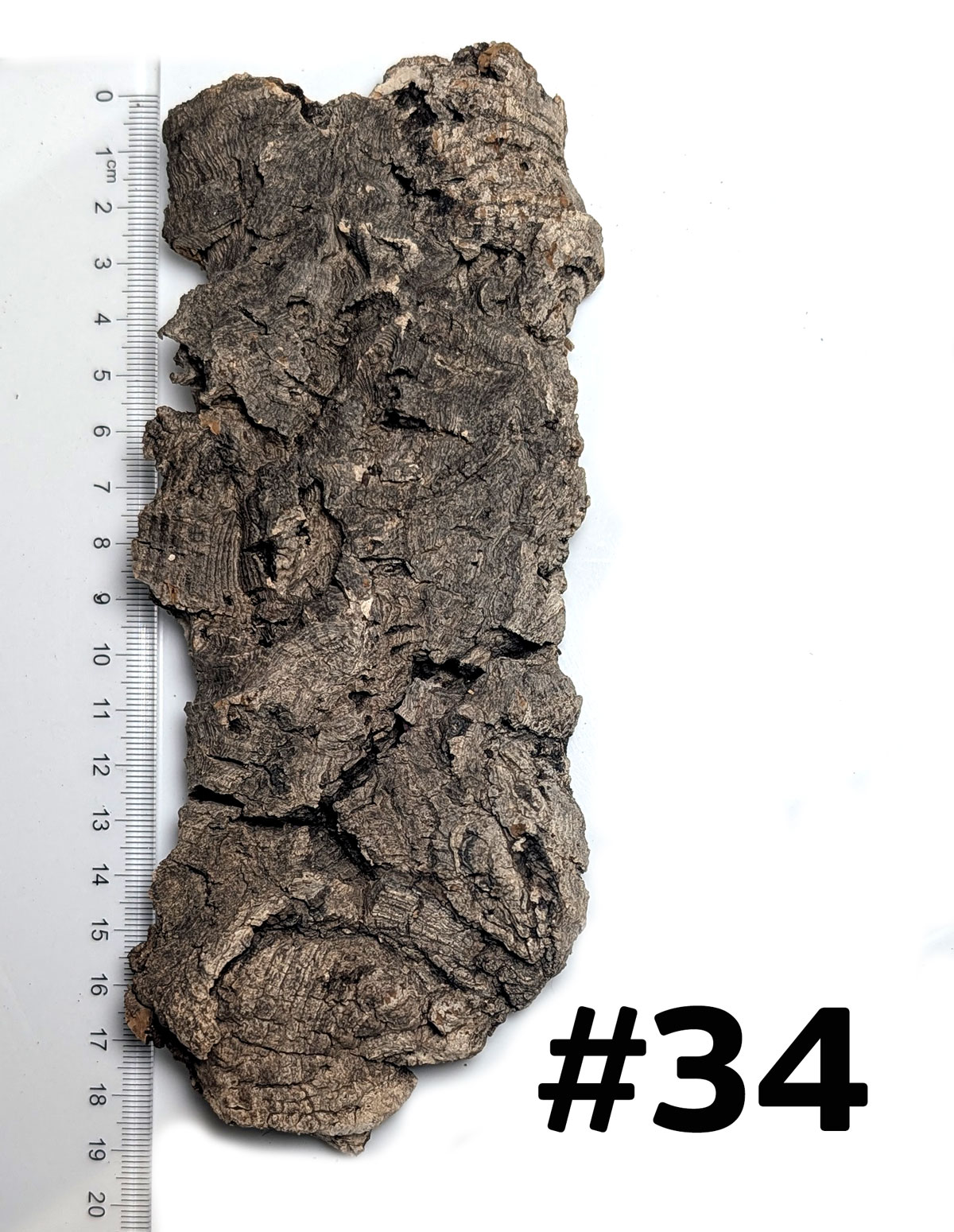
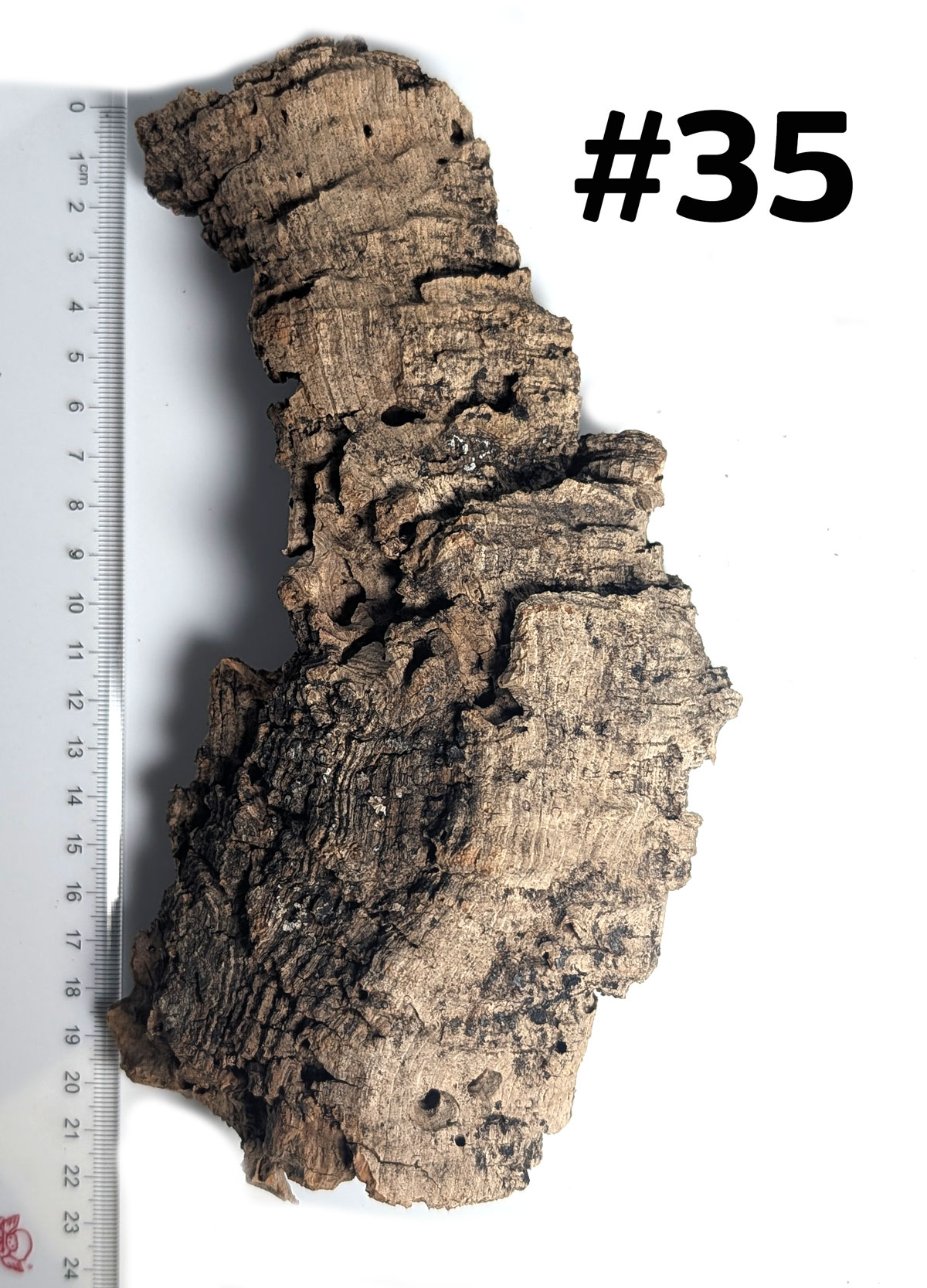
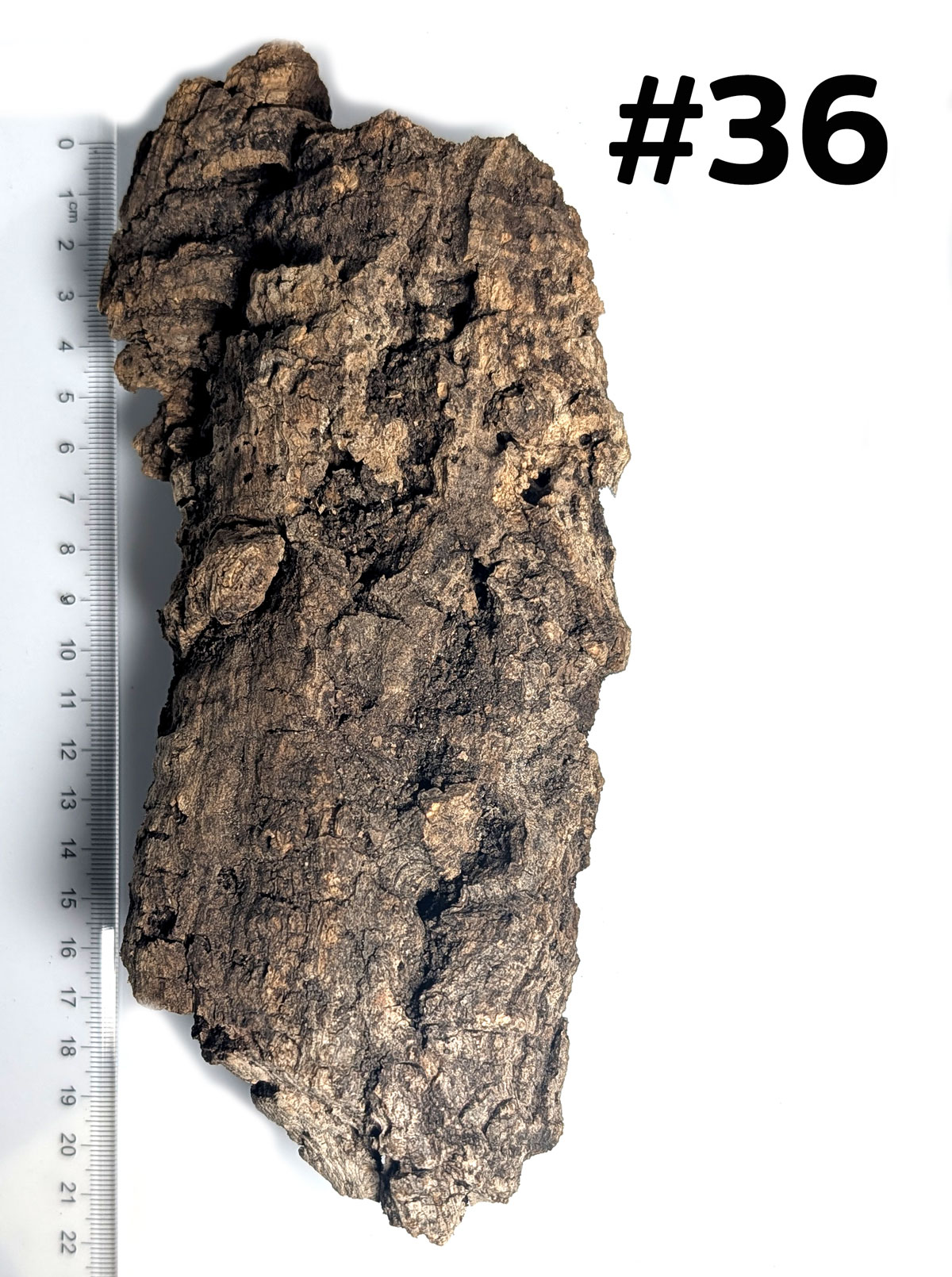
Description
Cork Bark in Invertebrate Enclosures: A Natural Essential
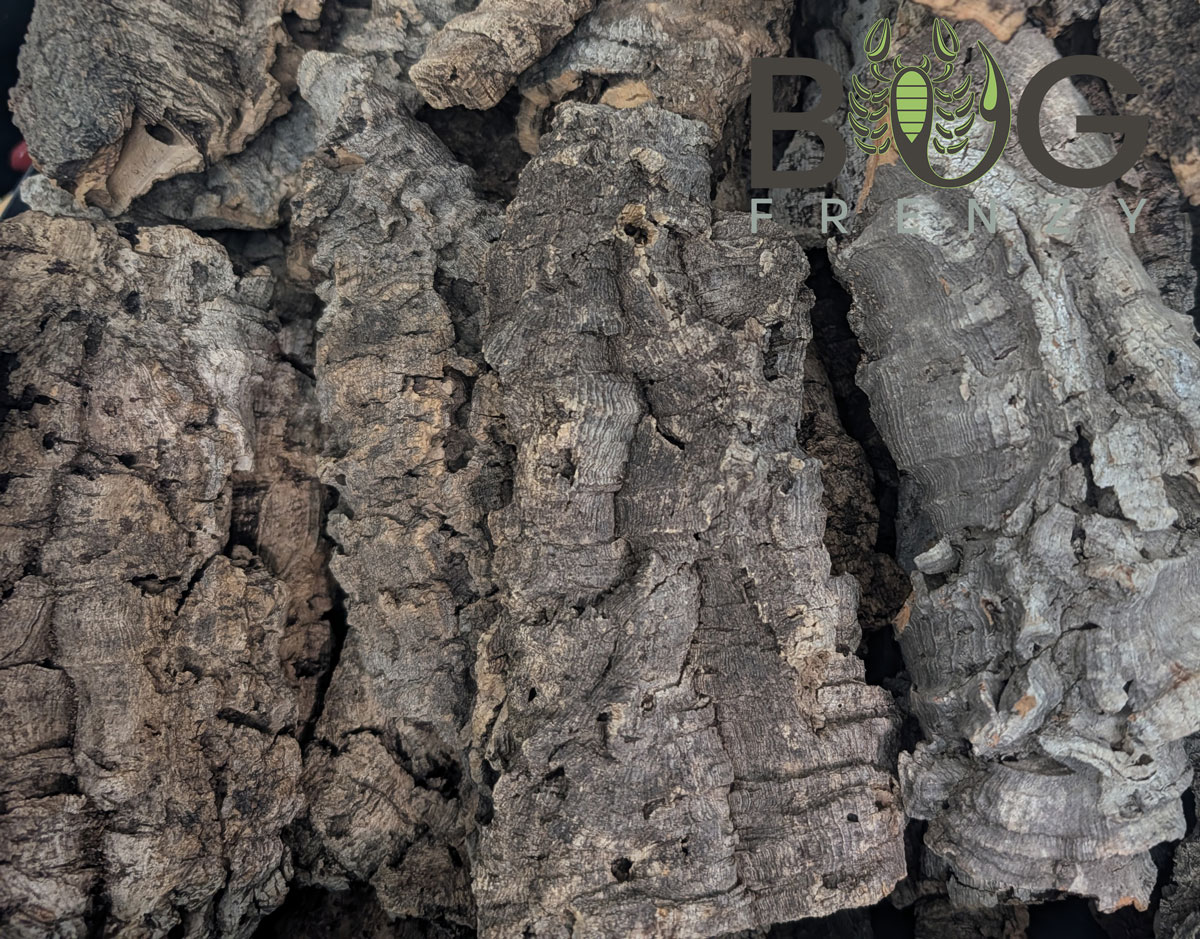
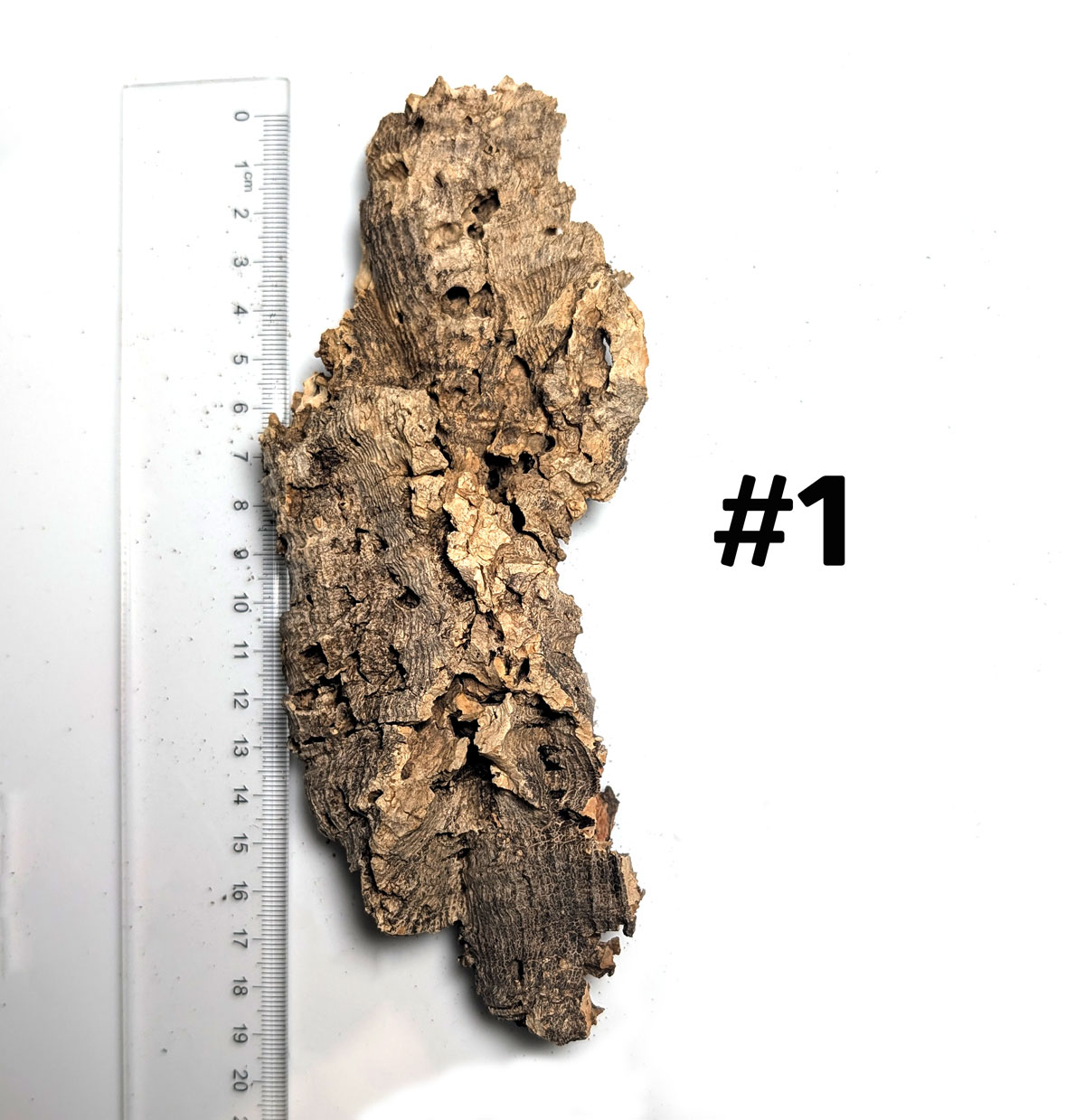
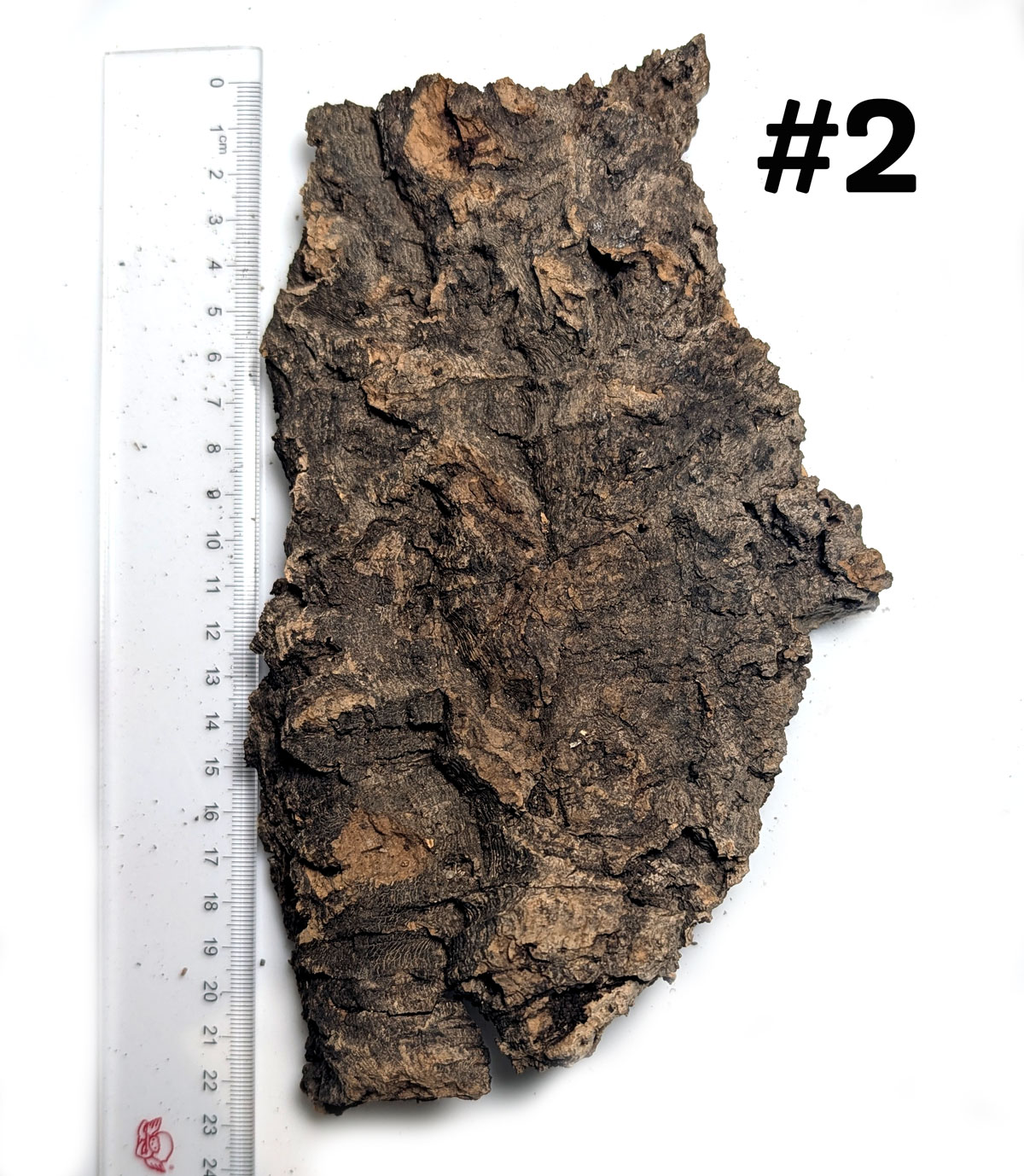
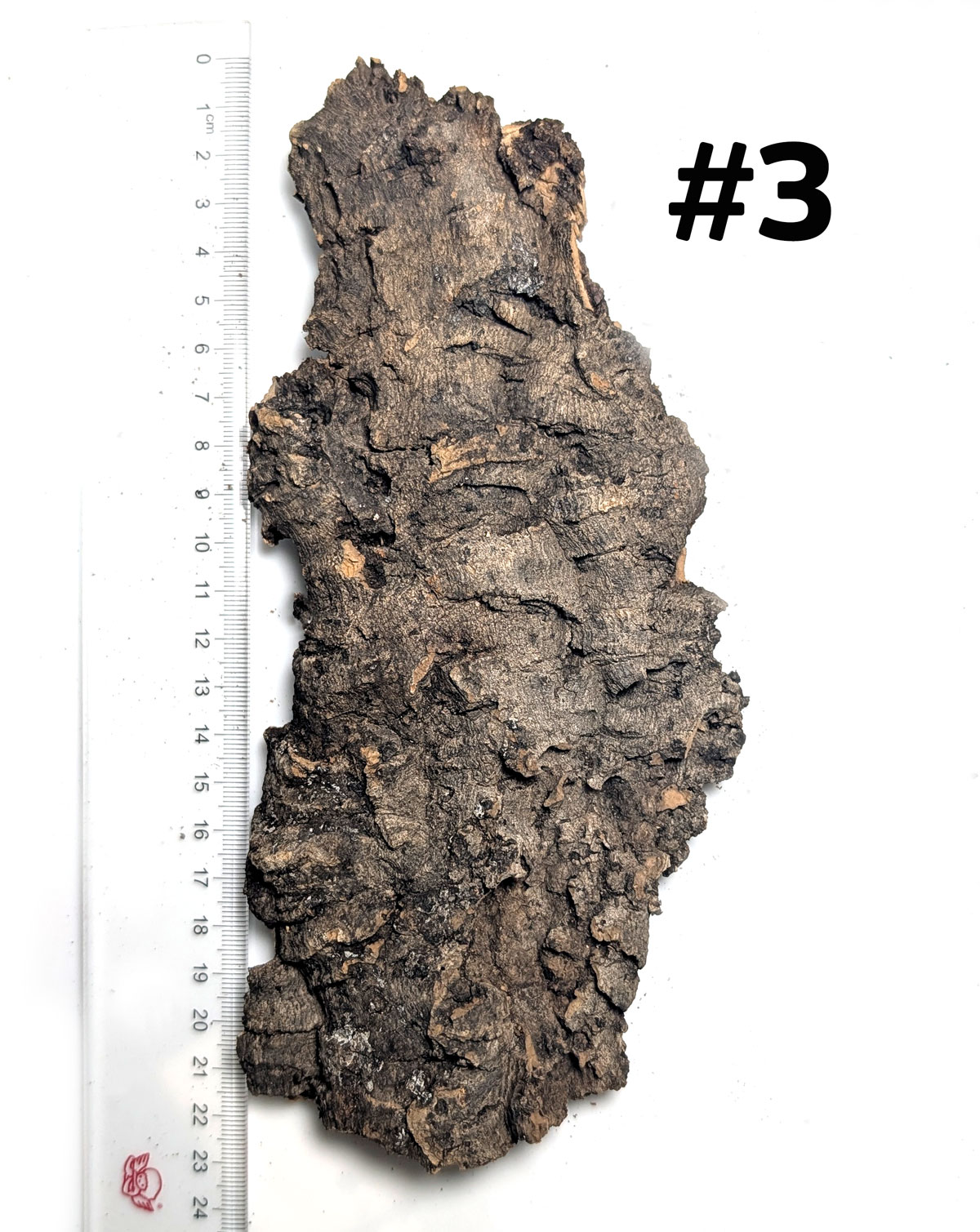
Cork bark is one of the most popular and useful materials in invertebrate keeping. Sourced from the bark of the cork oak (Quercus suber), it is lightweight, durable, and highly versatile. Keepers of tarantulas, scorpions, millipedes, isopods, beetles, praying mantises, and many other invertebrates regularly use it for both practical and aesthetic reasons.
Key Benefits
1. Excellent Hiding and Climbing Structure Cork bark provides natural crevices, tunnels, and textured surfaces that invertebrates instinctively use for shelter. Many species feel more secure with dark, enclosed spaces, which reduces stress and encourages natural behaviours. Climbing species (such as arboreal tarantulas, certain mantids, and some millipedes) benefit from the rough texture that offers good grip.
2. Humidity Regulation Cork is porous and can absorb and slowly release moisture. This helps stabilise humidity levels in the enclosure, which is especially useful for species that require higher humidity. In bioactive setups it works well alongside leaf litter and live plants.
3. Lightweight and Safe Unlike heavier woods or rocks, cork bark is very light, so it is less likely to crush animals if it shifts. It is also naturally resistant to rotting and mould when used properly, making it longer-lasting than many other natural materials.
4. Aesthetic and Naturalistic Appeal Cork bark looks organic and fits seamlessly into naturalistic or bioactive enclosures. It creates a more visually appealing and enriching environment compared to plain plastic hides.
5. Bioactive Compatibility In bioactive setups, cork bark serves as both décor and a microhabitat. Springtails, isopods, and other clean-up crew members often colonise the underside and crevices, helping with waste breakdown and mould control.
Practical Uses
- Vertical or horizontal hides
- Climbing structures and platforms
- Backgrounds or side walls
- Hiding spots under the bark for fossorial or semi-fossorial species
- Egg-laying or moulting sites for some insects
Tips for Use
- Rinse or lightly bake/boil new cork bark before use to remove dust, pests, or residues.
- Position it securely so it cannot fall and injure animals.
- Combine with other materials (leaf litter, moss, branches) for a more complex environment.
- Replace pieces if they become heavily soiled or start to break down significantly.
Potential Drawbacks
- Very large or thick pieces can take up significant space in smaller enclosures.
- In extremely high-humidity setups it can eventually soften, though this usually takes a long time.
- Some keepers prefer to sterilise it thoroughly if housing sensitive or expensive species.
Overall, cork bark is one of the most functional and naturalistic décor items available for invertebrate enclosures. It supports natural behaviours, aids humidity control, and helps create a more stimulating habitat — benefits that most keepers notice quickly once they start using it.

Reviews
There are no reviews yet